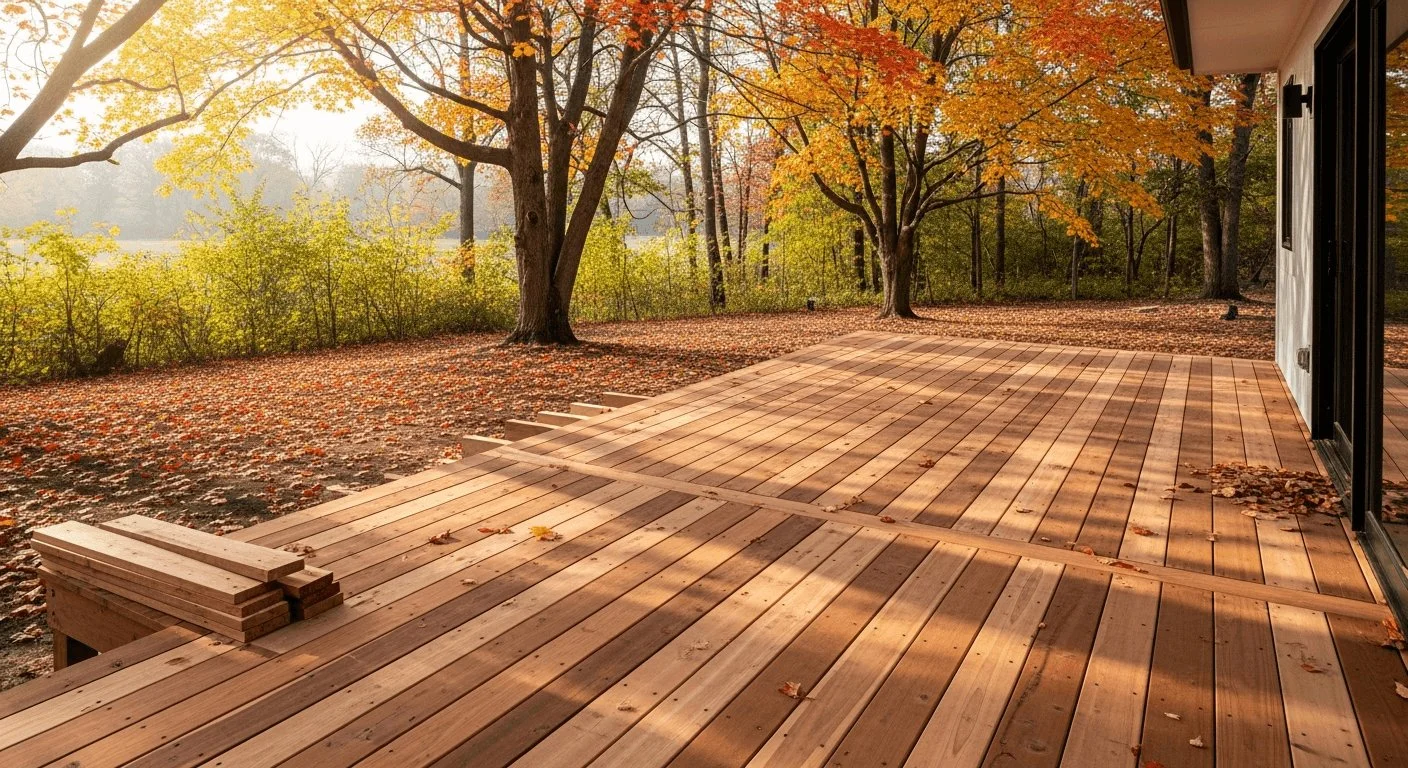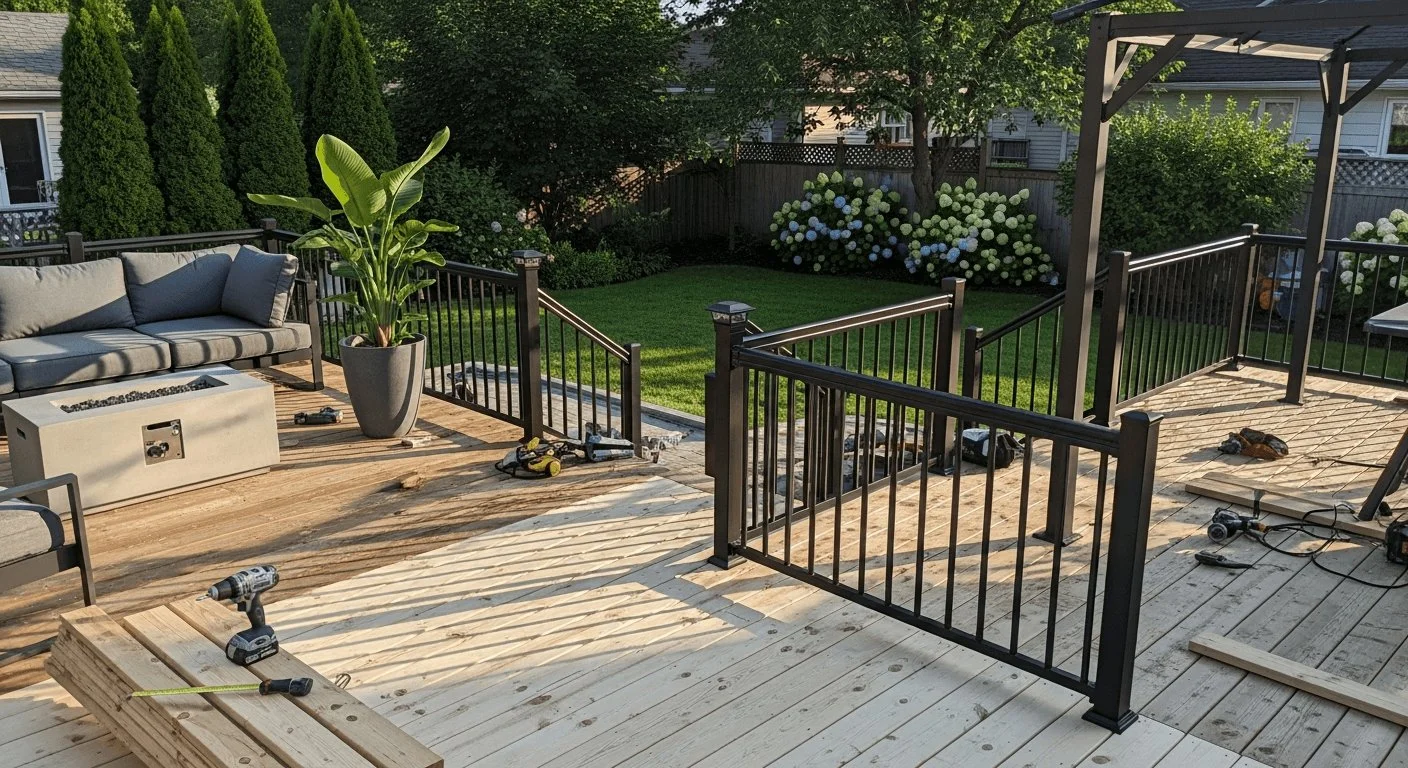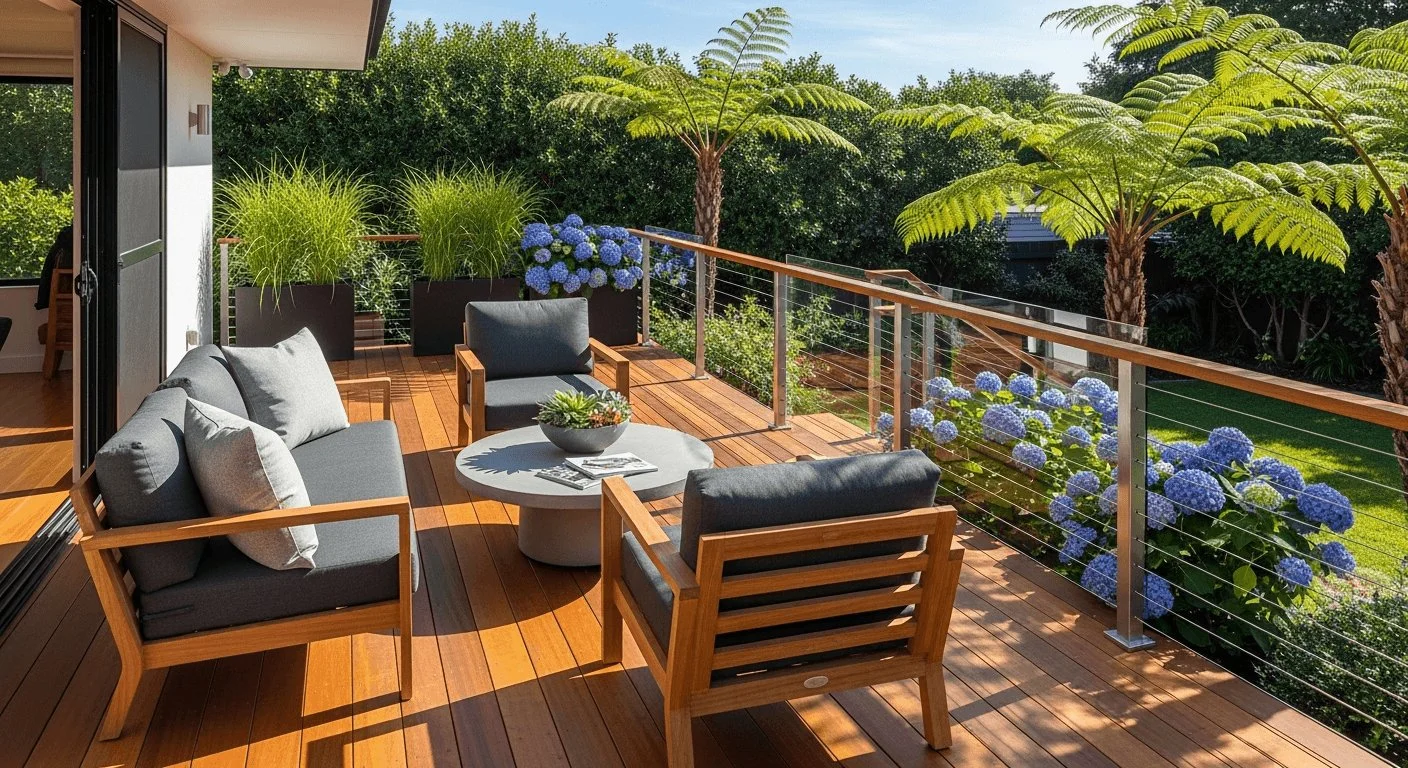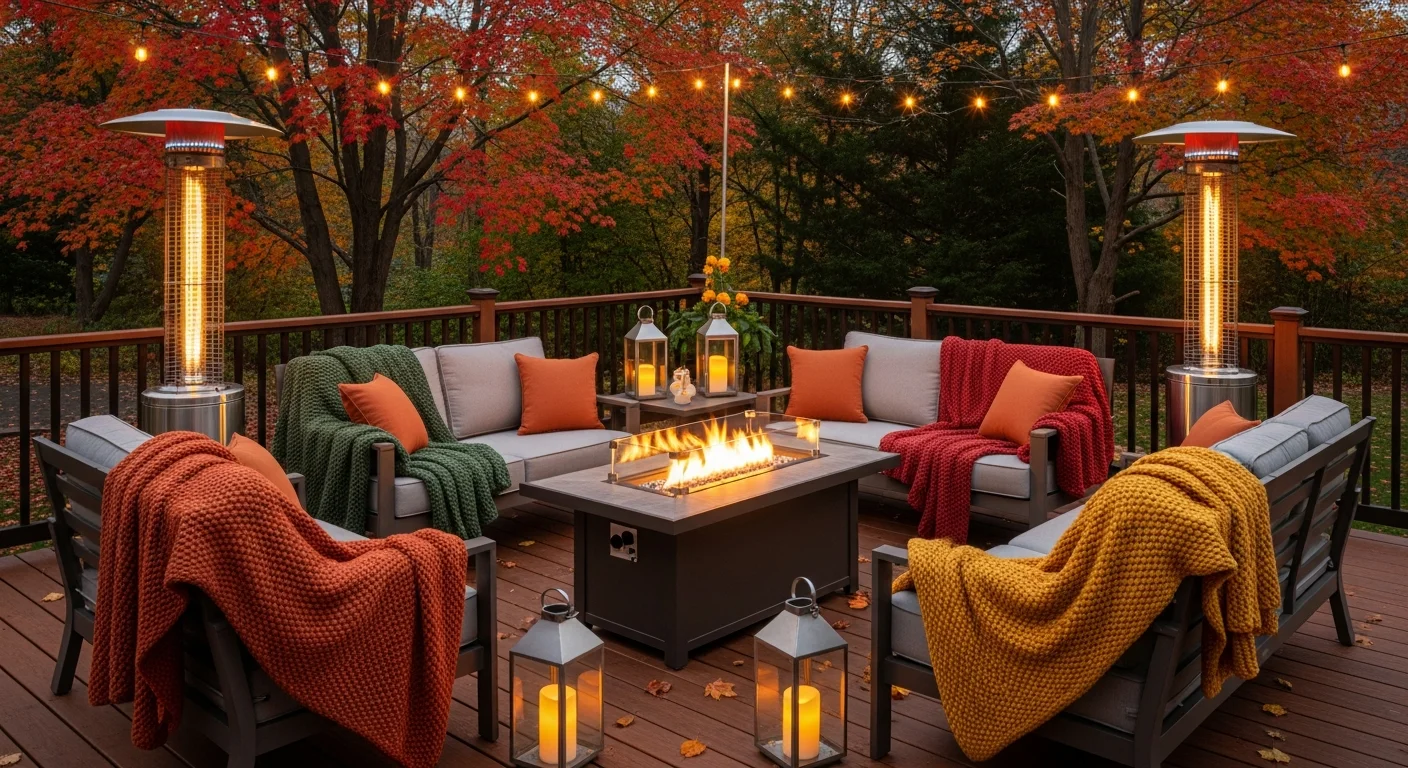
the right color for your deck might seem like a small decision, but it can have a big impact on how your whole home looks. A deck is one of the largest outdoor features attached to your house, so its color plays an important role in your home’s overall style and curb appeal. When the color complements your siding, trim, and exterior materials, the deck feels like a natural extension of the house instead of something that looks out of place. With so many options available today, many homeowners are looking for a clear starting point.
That’s where a composite deck colors guide can help. Understanding how different tones work with common home styles can make choosing a deck color much easier. In this guide, we’ll highlight key considerations to help you match composite decking with your home’s exterior, use contrast in the right places, and choose colors that maintain their appeal over time. If you’re planning a new deck across the Twin Cities Metro, the experienced team at Dupont Decks is here to help bring your ideas to life. Request an estimate today and start planning a deck that perfectly complements your home.
Why Deck Color Matters More Than You Think
Many homeowners focus on the size or layout of a deck, but color plays just as big of a role in the final result. A deck can cover a large portion of your backyard and often connects directly to your home’s exterior. Because of this, the color you choose becomes part of your overall home design.
When the deck color matches or complements your home, everything feels balanced and intentional. But if the color clashes with your siding or trim, the deck can look disconnected from the rest of the house.
Composite decking offers a wide range of colors from warm wood tones to modern gray shades. While this variety gives homeowners more design freedom, it also makes the decision more important. The goal is selecting a color that looks great today and continues to feel timeless for years to come.
Start With Your Home’s Exterior Color Palette
Before choosing a decking color, take a step back and look at your home’s exterior. Your house already has a color palette, and your deck should fit naturally within it.
Most homes have three main exterior elements that influence deck color choices:
- Siding color
- Trim and fascia
- Roofing color
These elements create the overall look of your home. A well-chosen deck color should support these colors rather than compete with them.
For example, if your home has warm beige siding and brown trim, a warm-toned deck will usually blend better than a cool gray one. On the other hand, modern homes with gray siding often look best with cool-toned decking.
Taking a few minutes to observe these colors can help narrow down your options quickly.
Pairing Composite Deck Colors With Common Minnesota Home Exteriors
Homes throughout the Twin Cities Metro often feature materials like brick, vinyl siding, stone accents, or fiber cement siding. Each of these materials pairs best with certain deck colors.
Brick Homes
Brick homes are common throughout many Minnesota neighborhoods. Because brick naturally contains warm tones: reds, browns, and oranges, it usually pairs best with warm deck colors.
Good options include:
- Chestnut
- Walnut
- Medium brown
- Espresso tones
These colors echo the warmth of the brick and create a cohesive look.
Cool gray decking can sometimes clash with red brick, so it’s usually best to avoid strong gray tones unless the brick has cooler undertones.
Stone or Natural Masonry Homes
Homes with stone or natural masonry often have a mix of colors and textures. Because stone already creates visual interest, a neutral deck color usually works best.
Great choices include:
- Driftwood gray
- Weathered oak
- Taupe
- Soft brown tones
These colors blend naturally with stone and allow the home’s architecture to stand out without competing with it.
Vinyl Siding Homes
Vinyl siding is another common exterior material in Minnesota homes. The best deck color often depends on whether the siding is light or dark.
For homes with light siding, good deck color choices include:
- Medium browns
- Natural wood tones
- Warm gray shades
For homes with dark siding, lighter deck colors often create better contrast. Options like light gray or driftwood tones can balance the darker siding and keep the overall design from feeling too heavy.
The goal is to create contrast without making the deck overpower the home.
Fiber Cement (Hardie Board) Homes
Many newer homes use fiber cement siding because of its durability and modern look. These homes often feature neutral colors like gray, white, or deep blue.
For cool gray siding, decking colors such as slate or charcoal work well.
For beige or tan siding, warm brown decking usually creates a more natural match.
Homes with dark modern siding often benefit from lighter deck tones, which help brighten the outdoor space and provide visual contrast.
Warm vs. Cool Decking Tones
One of the most important parts of any composite deck colors guide is understanding warm and cool tones. These undertones influence how well the deck blends with your home.
Warm Deck Colors
Warm tones include shades like:
- Cedar
- Chestnut
- Brown oak
- Espresso
These colors work well with homes that have warm exterior elements such as brick, beige siding, or brown trim.
Warm tones also create a classic and natural wood-like appearance that many homeowners prefer.
Cool Deck Colors
Cool tones include shades such as:
- Ash gray
- Slate
- Driftwood
- Weathered gray
These colors are often used with modern homes that feature gray siding, black trim, or contemporary design elements.
Cool-toned decking can create a sleek, modern outdoor space when paired with the right exterior colors.
Using Contrast for Railings and Trim
The deck boards are only one part of the overall design. Railings and trim can add contrast and help tie the entire outdoor space together.
For example:
- Dark decking with white railings creates a classic and bright look.
- Gray decking with black aluminum railings gives a modern appearance.
- Brown decking with bronze railings creates a warm, natural feel.
Railings often frame the deck visually, so choosing the right contrast can make the entire structure feel more polished and intentional.
Many homeowners also like to match railing colors with their home’s trim for a cohesive design.
Avoiding Trendy Colors That May Not Age Well
Trends come and go in home design, and decking colors are no exception. While bold or unusual colors might feel exciting today, more timeless options tend to hold their appeal over time.
Examples of colors that can sometimes feel overly trendy include:
- Very dark near-black decking
- Strong blue-gray shades
- Unusual tinted tones
Instead, many homeowners prefer colors that mimic natural wood or stay within neutral color palettes.
Classic tones like brown, walnut, driftwood, and soft gray tend to stay popular because they blend well with many home styles and landscaping designs.
Choosing a timeless color can help your deck look great for many years.
Practical Considerations When Choosing Deck Colors
Design is important, but practical factors should also influence your decision.
Heat Retention
Darker deck boards absorb more sunlight, which means they can become warmer during sunny summer days. Lighter colors usually stay cooler and can be more comfortable to walk on in direct sunlight.
For decks that receive a lot of sun, a medium or lighter color may be the better choice.
Visibility of Dirt and Wear
Every deck experiences dirt, dust, pollen, and general wear over time. Very light decking may show dirt more easily, while extremely dark colors can highlight dust and footprints.
Medium tones often provide the best balance and hide everyday debris more effectively.
Long-Term Appearance
Composite decking is designed to resist fading, staining, and moisture damage better than traditional wood. Many modern composite boards also include multi-tone color patterns that help hide scratches and wear.
These subtle variations give the deck a more natural wood appearance while improving long-term durability.
Visualizing the Deck With Your Home
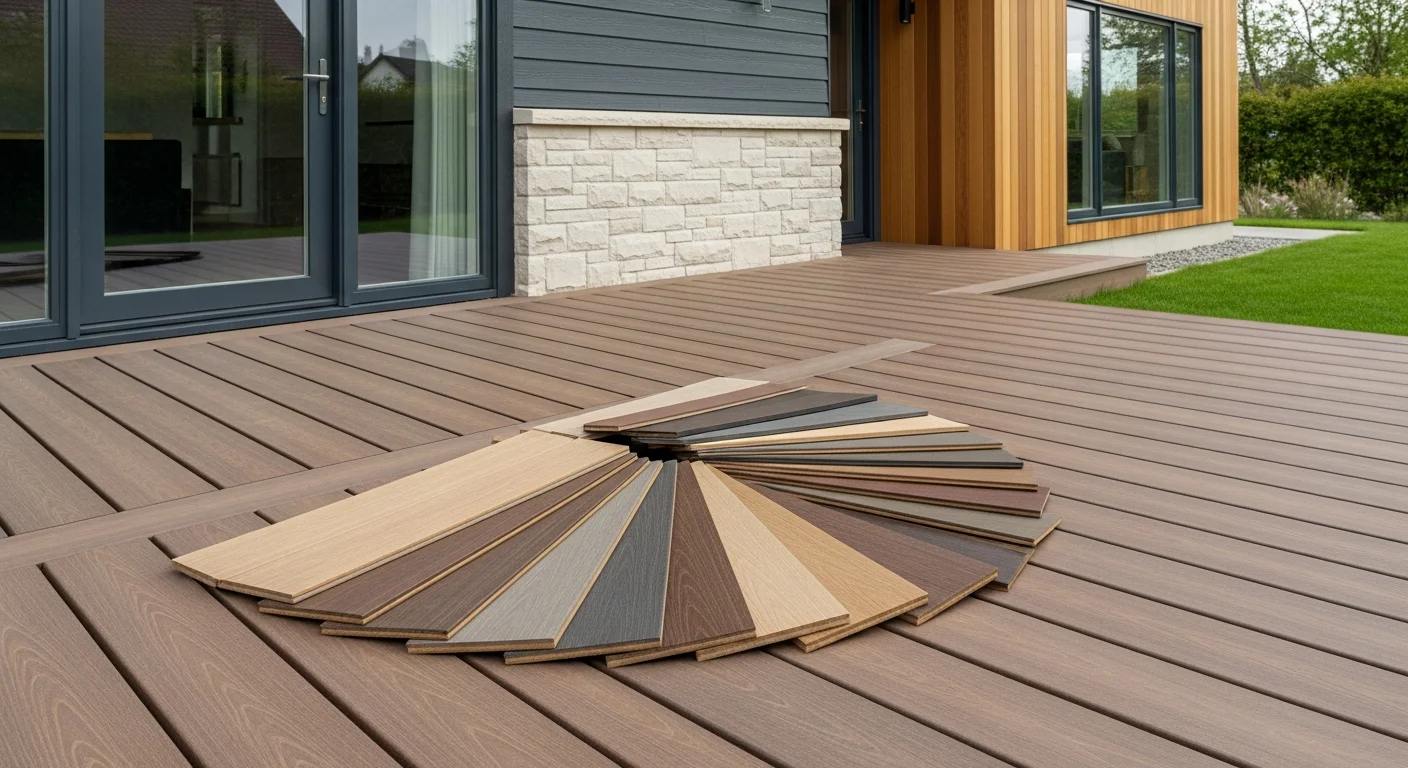
Before making a final decision, it helps to see decking samples next to your home. Colors can look very different outdoors compared to inside a showroom.
Try placing deck samples next to your siding or trim and viewing them in natural sunlight. This can help you see how the colors interact with your home’s exterior.
Walking through neighborhoods across the Twin Cities Metro can also provide inspiration. Seeing decks in real homes often makes it easier to picture what might look best for your own space.
Conclusion
Choosing the right deck color is about more than personal taste. It’s about creating an outdoor space that feels connected to the design of your home. By paying attention to your home’s existing colors, understanding warm and cool tones, and thinking about practical factors like sunlight and durability, you can choose a composite deck color that looks great for many years. The right color will make your deck feel like a natural part of your home while also improving curb appeal and outdoor enjoyment.
For homeowners throughout the Twin Cities Metro, working with an experienced deck builder can make the design process much easier. With over two decades of experience and a strong reputation for quality craftsmanship, Dupont Decks specializes in custom outdoor spaces designed to fit your home and lifestyle. If you’re ready to transform your backyard into a beautiful outdoor living area, request an estimate today and take the first step toward your new deck.