Minnesota winters are no joke. Between heavy snow, freezing temperatures, and constant freeze-thaw cycles, your deck goes through a lot every year. While many homeowners focus on fall decor or outdoor furniture storage, the real concern should be the structure of your deck. If your deck isn’t properly prepared, winter weather can cause serious damage that leads to expensive repairs in the spring.
Taking time to prepare your deck for winter is one of the smartest things you can do as a homeowner. It helps protect your investment, keeps your family safe, and ensures your outdoor space stays strong for years to come. In this guide, we’ll walk you through simple but important steps to prepare your deck for winter especially for homes in the Twin Cities Metro.
Why Winter Preparation Matters for Your Deck
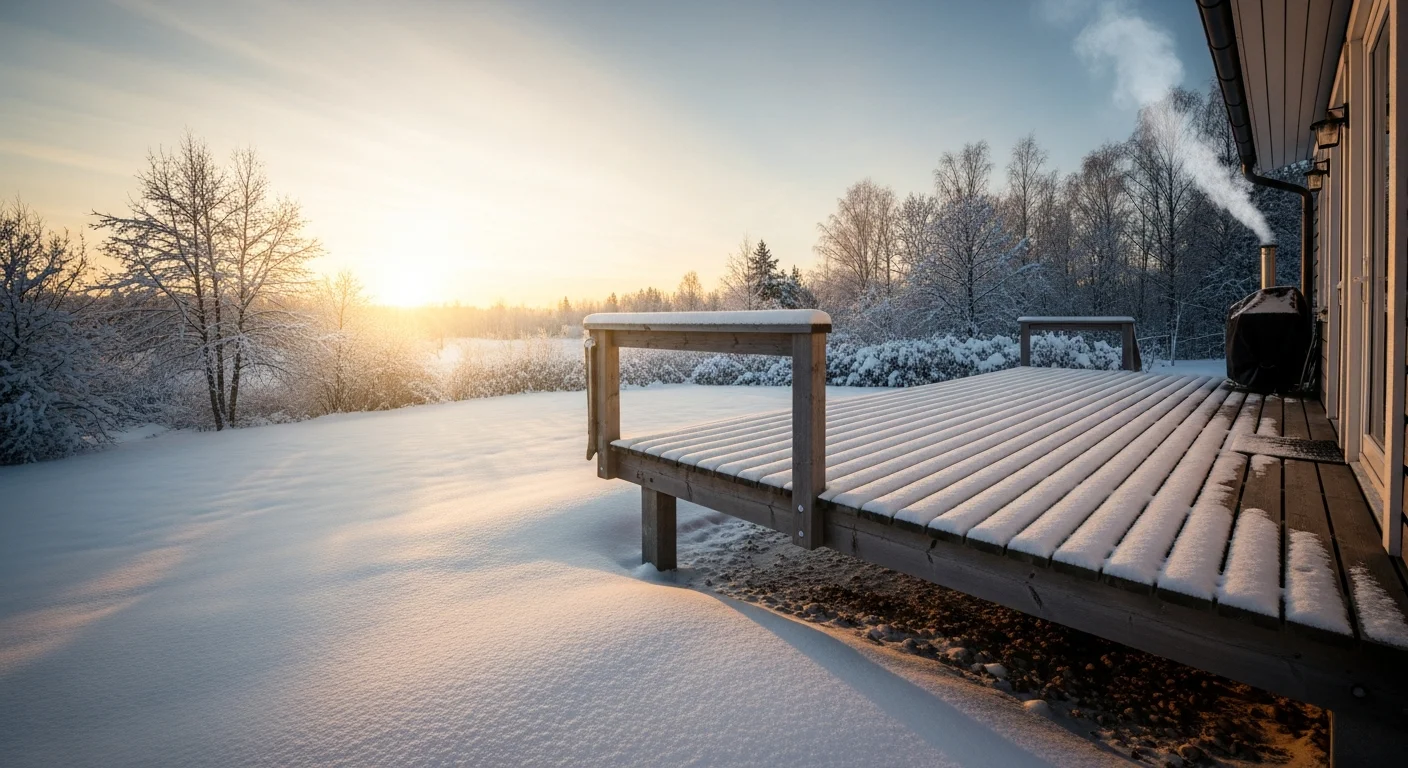
Winter weather affects decks in ways many homeowners don’t realize. One of the biggest issues in Minnesota is the freeze-thaw cycle. Water seeps into small cracks in wood or joints. When temperatures drop, that water freezes and expands, making those cracks bigger. Over time, this can weaken the entire structure.
Snow adds another challenge. A heavy snow load puts pressure on your deck’s framing, support posts, and fasteners. If your deck already has weak spots, the added weight can cause sagging or even structural failure.
Ignoring these problems can lead to:
- Rotting wood
- Loose or unstable railings
- Cracked boards
- Costly repairs or full replacement
Preparing your deck for winter helps prevent these issues before they start.
Inspect the Deck’s Structural Foundation
Before winter arrives, start with a full inspection of your deck’s structure. This is the most important step.
Check Support Posts and Beams
Support posts and beams carry the weight of your entire deck. If these are damaged, your deck becomes unsafe.
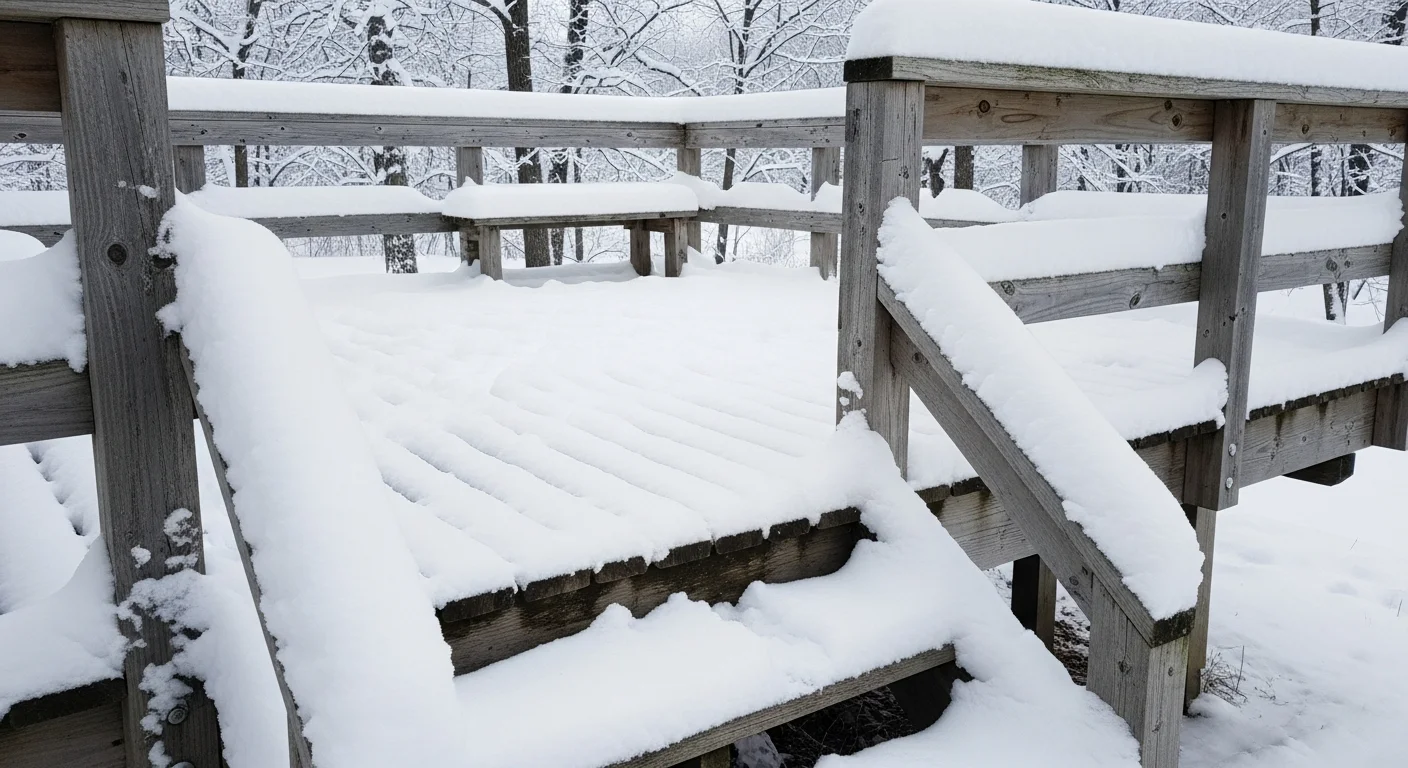
Look for:
- Soft or spongy wood (a sign of rot)
- Cracks or splits
- Leaning or shifting posts
- Signs of water damage near the base
- Shifting footings
If you notice any of these issues, it’s important to address them before snow starts to build up.
Examine Joists and Framing
Joists are the horizontal supports under your deck boards. They play a major role in keeping your deck stable.
Check for:
- Sagging areas
- Mold or mildew
- Dark spots or moisture damage
- Loose connections between joists and beams
Even small problems in the framing can become serious under winter conditions.
Tighten and Secure All Hardware
Your deck is held together by nails, screws, brackets, and connectors. Over time, these can loosen due to weather changes and regular use.
Before winter:
- Tighten all visible nails and screws
- Check metal brackets and connectors
- Replace any missing or damaged fasteners
- Look for rust or corrosion
Snow loads and freeze-thaw movement put extra stress on weak hardware, so securing everything now helps prevent bigger problems later.
Assess Deck Stability and Safety
Your deck should feel solid and stable when you walk on it. If it doesn’t, that’s a warning sign.
Test:
- Railings (should not wobble)
- Stairs (should feel firm and even)
- Deck boards (no movement or bounce)
Icy conditions in winter make decks more dangerous. A loose railing or unstable step can quickly turn into a safety hazard.
Seal and Protect Against Moisture
Moisture is one of the biggest threats to your deck in winter. When water gets into wood and freezes, it expands and causes damage.
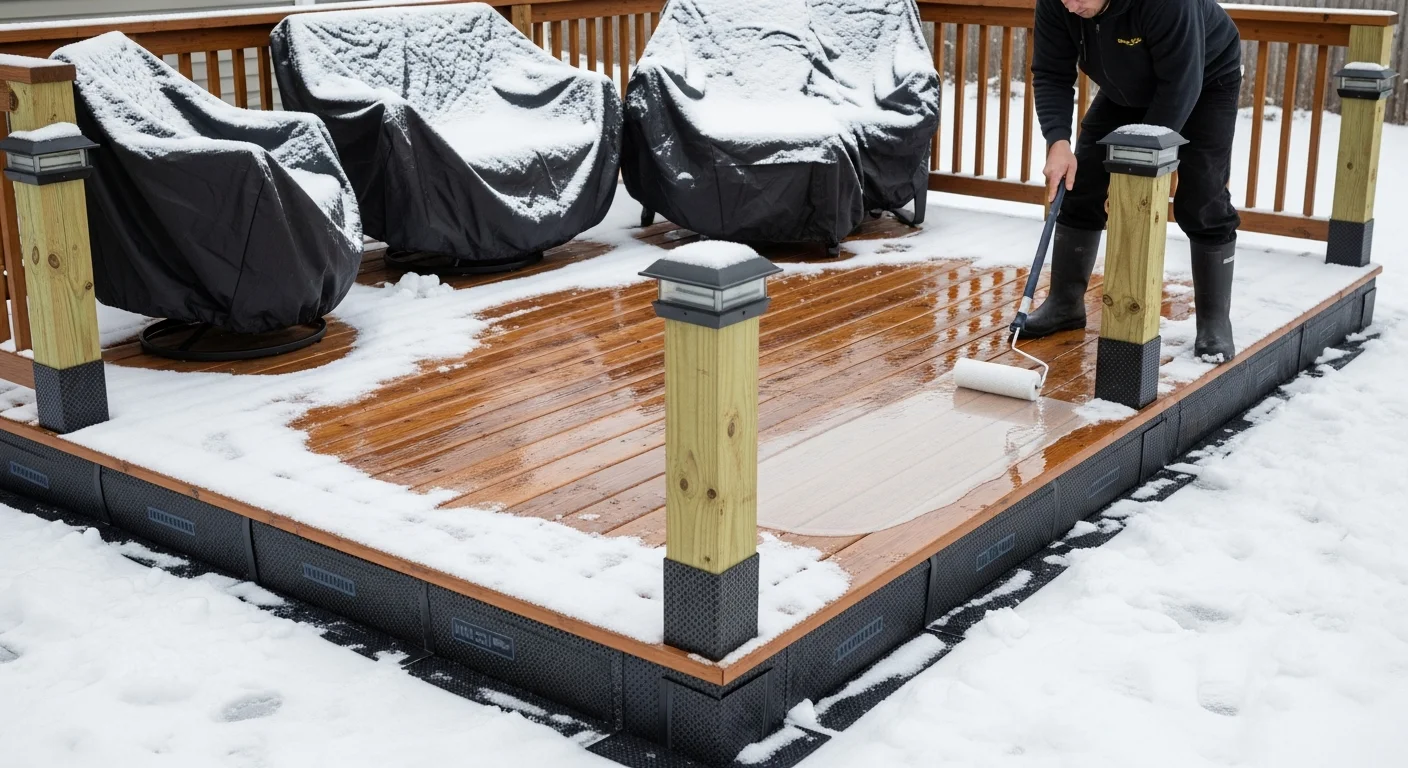
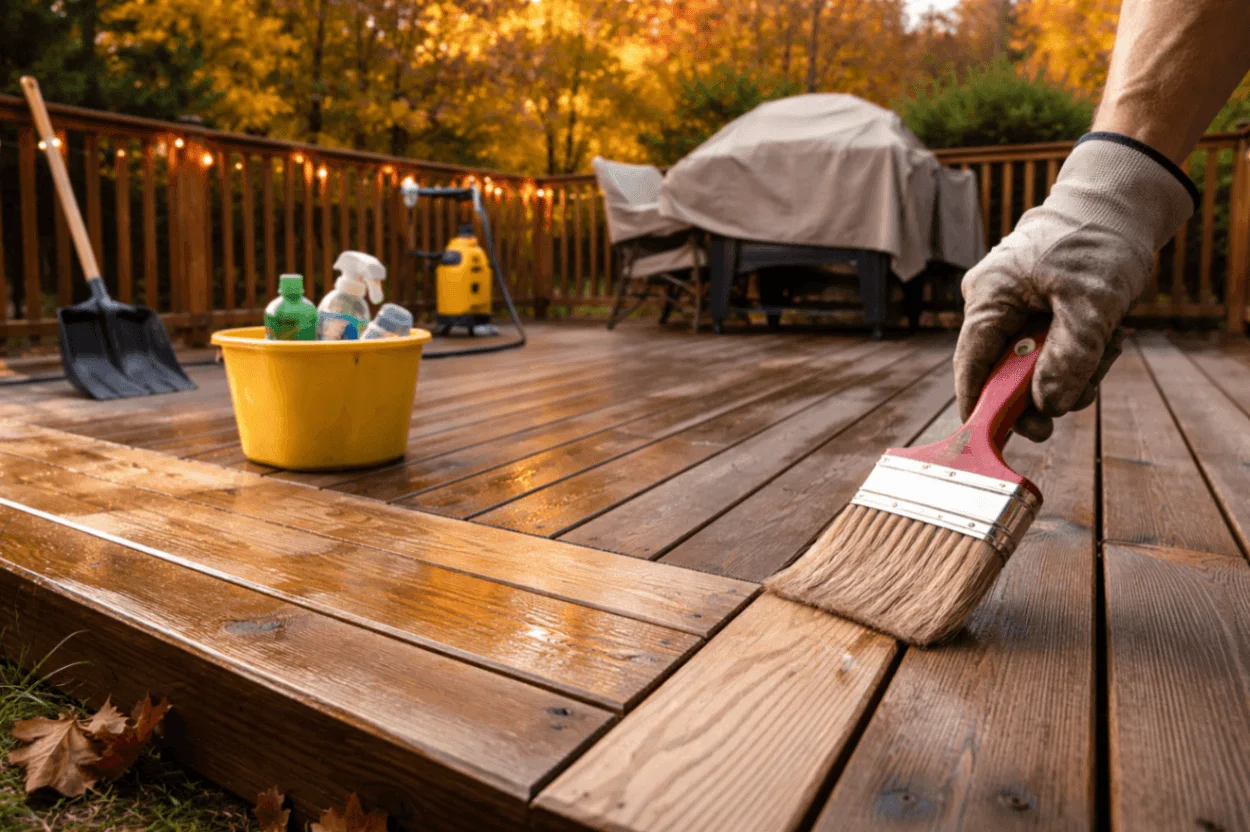
For wood or cedar decks only, applying a sealant helps:
- Block water from soaking into the wood
- Prevent cracking and splitting
- Extend the life of your deck
If your wood deck hasn’t been sealed in the last couple of years, try to do it while daytime temperatures are still above 50°F. If that window has passed, put it at the top of your spring list. Choose a high-quality sealant designed for cold climates like Minnesota.
Ensure Proper Drainage and Snow Management
Water should never sit on your deck for long periods. Standing water leads to rot and ice buildup.
Before winter:
- Clean out debris between deck boards
- Make sure water can drain properly
- Check that the deck has a slight slope away from the house
When snow arrives:
- Remove heavy snow buildup regularly
- Use a plastic shovel to avoid damaging the surface
- Avoid metal tools that can scratch or chip the deck
Good drainage and snow management help reduce stress on your deck structure.
Check If Your Deck Meets Current Code Standards
Building codes change over time, especially in areas like Minnesota where weather conditions are extreme.
Older decks may not meet current safety standards for:
- Load-bearing capacity
- Railing height and strength
- Ledger board connections
If your deck is more than 10–15 years old, it’s worth checking if it meets today’s codes. Upgrading your deck can improve safety and prevent winter damage.
Warning Signs You Shouldn’t Ignore Before Winter
Some issues need immediate attention. If you notice any of these, don’t wait:
- Rotting wood or soft spots
- Loose or wobbly railings
- Cracked support beams
- Water pooling on the deck
- Uneven or sinking areas
- Footing movement
These problems can get much worse once winter begins. Fixing them early can save you time, money, and stress.
When to Call a Professional
While some maintenance tasks are easy to handle on your own, structural issues are best left to professionals.
You should call an expert if:
- You’re unsure about the condition of your deck
- You find signs of rot or structural damage
- Your deck feels unstable
Conclusion
Preparing your deck for winter isn’t just about maintenance—it’s about protecting your home and your family. Minnesota’s harsh winters can quickly turn small issues into major problems. By inspecting your deck, securing its structure, and protecting it from moisture, you can avoid costly repairs and enjoy peace of mind all season long. Think of your deck as an investment. The time you spend now to prepare your deck for winter will pay off in durability, safety, and long-term performance. And if you’re unsure about your deck’s condition, getting expert help before winter arrives can make all the difference.
Dupont Decks brings over two decades of construction experience to homeowners throughout the Twin Cities Metro. As a family-operated business, we take pride in delivering high-quality craftsmanship—because “Our Work is our Word.” Whether you need repairs or want to upgrade to a stronger, low-maintenance deck using premium materials like TimberTech decking and Westbury railings, our team is here to help. Don’t wait until winter damage becomes a costly problem. Contact Us today to get your 100% free, no-obligation quote. Let Dupont Decks help you create a beautiful, functional, and safe deck that will last for years to come.