Imagine stepping outside on a cool evening in Minnesota and relaxing in warm, bubbling water just a few steps from home. Many homeowners throughout Minneapolis, St. Paul, and nearby communities are transforming backyards into relaxing outdoor retreats where family and friends can relax, entertain, and enjoy the outdoors. One effective way to create this type of space is by building a deck with a hot tub that blends comfort, style, and functionality into one outdoor living area.
A well-designed deck can do much more than hold outdoor furniture. It can become the centerpiece of the backyard, bringing together features like built-in seating, privacy screens, pergolas, and a spa that can be enjoyed year-round. In this guide, we will explore how thoughtful design, proper construction, and creative ideas can transform a standard deck into a complete backyard retreat. Homeowners throughout the Twin Cities Metro can schedule a deck design consultation with Dupont Decks to start planning a beautiful outdoor retreat.
Why Add a Hot Tub to Your Deck Design?
Adding a hot tub or spa to a deck creates more than just a place to soak. It turns the backyard into a relaxing space where homeowners can unwind after a long day, spend time with family, or entertain friends.
For many homeowners in Minnesota, a hot tub is especially appealing because it can be enjoyed during cooler weather. Sitting in warm water while the air is crisp outside creates a relaxing outdoor experience during colder seasons during fall, winter, and early spring.
A deck with a hot tub also adds an upscale outdoor living feature to an outdoor space. Instead of having the hot tub placed somewhere separate in the yard, integrating it into the deck design makes everything feel connected and intentional. The deck becomes a gathering place where seating areas, dining spaces, and relaxation zones all work together.
Beyond comfort and relaxation, a well-designed outdoor living space can also increase the overall appeal of a home. Functional outdoor areas are often viewed as a strong feature by homebuyers that offer additional living space. A deck designed with a spa, seating areas, and attractive features can make a property stand out.
Structural Considerations for a Deck With a Hot Tub
Before adding a hot tub to a deck, one of the most important factors to consider is structural support. A filled hot tub is extremely heavy. When water, equipment, and several people are added, the total weight can reach several thousand pounds.
Because of this weight, a deck with a hot tub must be designed with reinforced framing. Strong joists, beams, and support posts are essential to safely handle the load. Proper planning ensures the deck remains stable and safe for years to come.
Footings are another important part of the design. In Minnesota, deck footings must be placed below the frost line to prevent shifting during freeze-thaw cycles. When a hot tub is included, additional or larger footings may be required to properly distribute the weight.
Access is also something homeowners often overlook. Hot tubs need occasional maintenance, including access to pumps, heaters, and plumbing components. When designing the deck, space should be left for service panels and easy access to equipment.
Electrical planning is another key element. Hot tubs require a dedicated power supply installed by a licensed electrician. A well-planned deck design allows wiring and equipment to be installed safely and neatly without affecting the appearance of the space.
Smart Design Ideas for a Deck With a Hot Tub
When the structural elements are handled correctly, the next step is creating a design that looks great and functions well. There are many creative ways to integrate a hot tub into a deck layout.
One popular option is a multi-level deck design. In this layout, the hot tub sits on a slightly lower platform while the main deck area is raised. This approach visually separates the spa area while keeping it connected to the rest of the outdoor space.
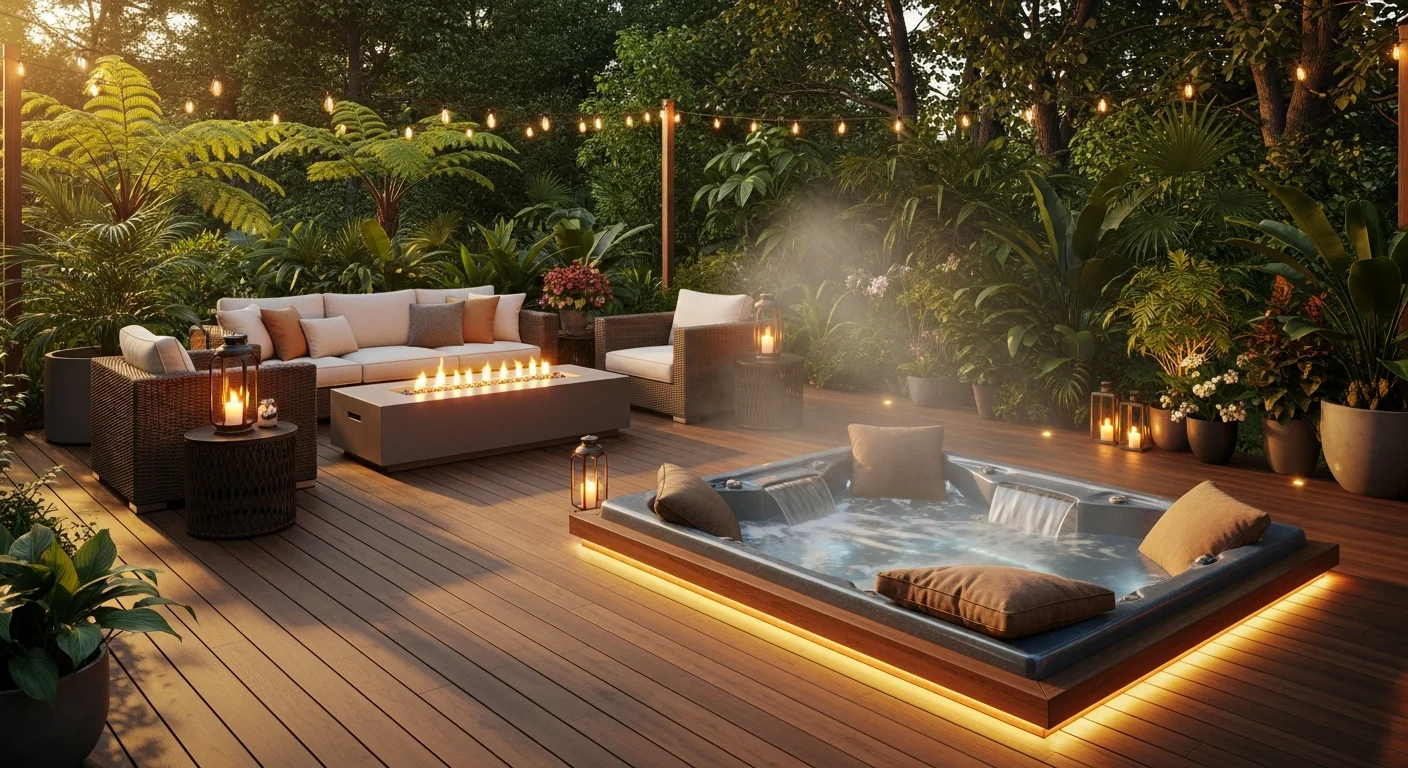
Another design idea is to partially recess the hot tub into the deck. Instead of stepping up into the spa, homeowners can step down into it from deck level. This creates a clean and modern appearance while making entry and exit easier.
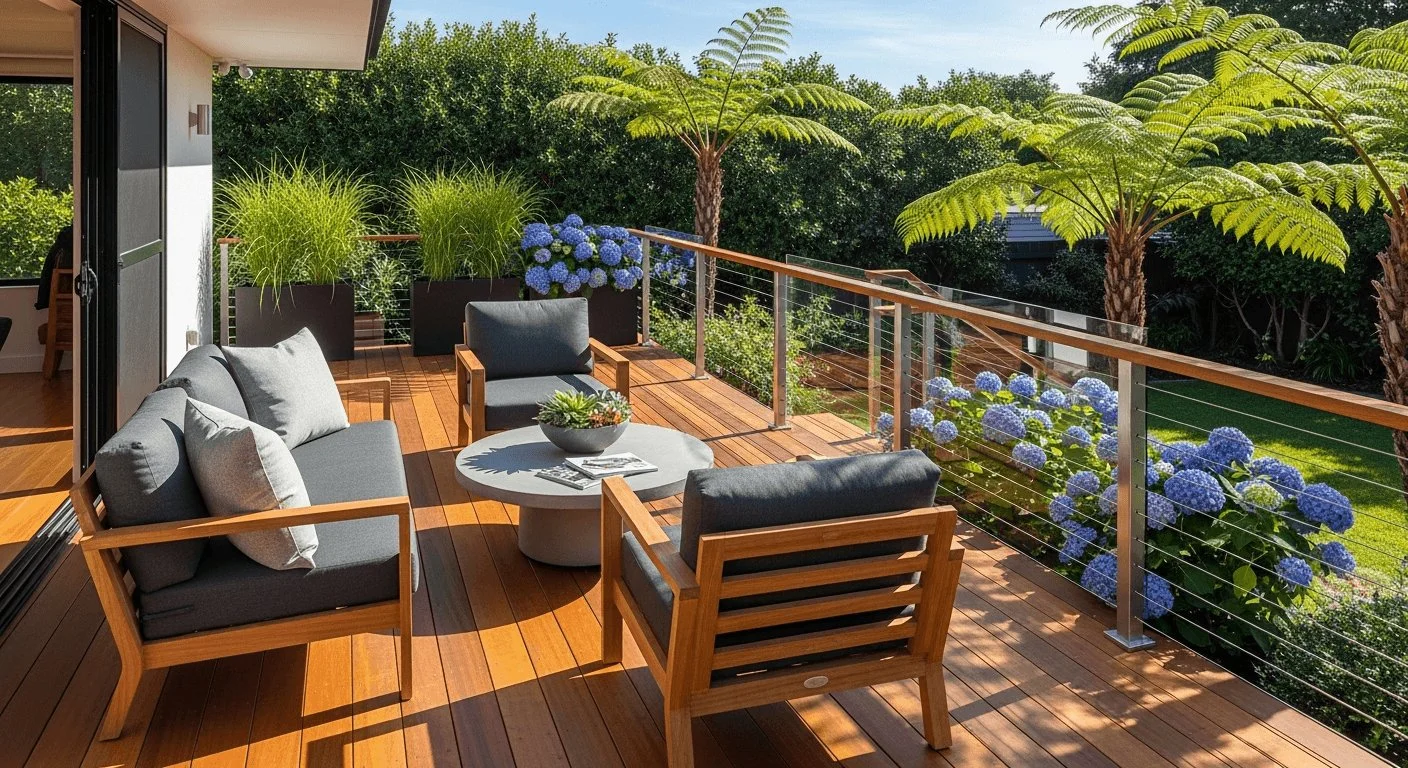
Built-in seating is another feature that works well with a deck with a hot tub. Benches around the spa provide a place for people to relax while others enjoy the hot tub. These seating areas also help define the space and create a comfortable gathering area.
Wide cocktail rails are another small design detail that makes a big difference. These wide railing tops provide a convenient surface for drinks, snacks, or towels while people relax nearby.
Lighting can also enhance the spa area. Soft deck lighting along steps, railings, and seating areas adds both safety and ambiance during evening use.
Privacy and Comfort Upgrades
Relaxation is one of the main reasons homeowners add a hot tub to a deck. Creating a comfortable and private environment can make the experience even better.
Privacy screens are a popular addition to decks with spas. Decorative panels, lattice walls, or vertical slats can block views from neighbors while still allowing air and light to pass through. These screens can also serve as attractive design features that complement the deck.
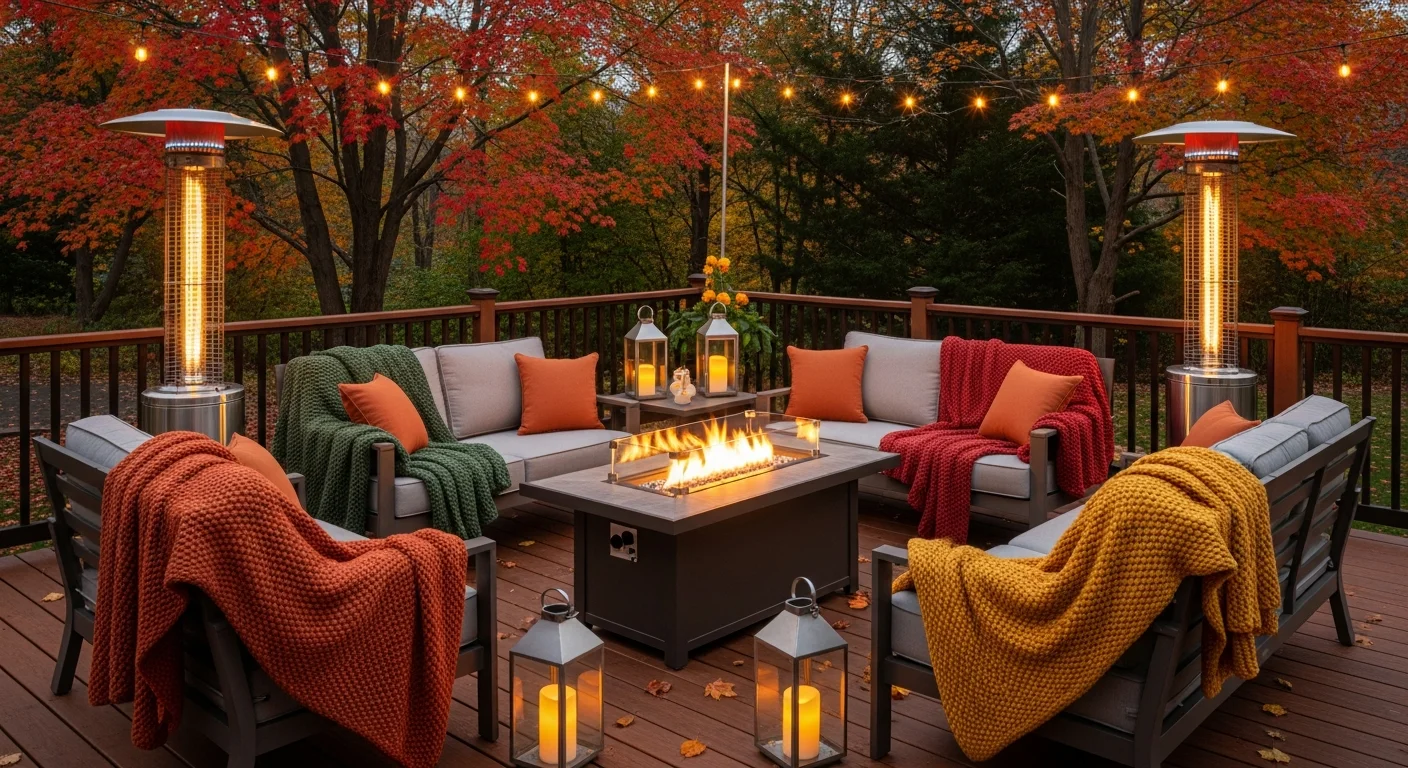
Pergolas are another popular upgrade for outdoor living spaces. A pergola above the spa area adds shade during sunny days and creates a cozy atmosphere in the evening. String lights, outdoor heaters, or hanging plants can be added to enhance the space even further.
Landscaping can also improve privacy and comfort. Trees, shrubs, or planter boxes around the deck create natural screening and help the area feel more like a private retreat.
Wind protection is another benefit of these features, which can be especially helpful during cooler Minnesota evenings.
Choosing Deck Materials That Handle Moisture and Minnesota Weather
Because hot tubs involve water and moisture, choosing the right decking materials is important. Deck surfaces near spas are exposed to splashing water, humidity, and seasonal weather changes.
Composite decking has become a popular option for many homeowners. Materials such as TimberTech and AZEK, along with select other high-quality composite materials, are designed to resist moisture, fading, and warping.
Another advantage of composite materials is slip resistance. Since areas around hot tubs can become wet, a deck surface that provides better traction helps improve safety.
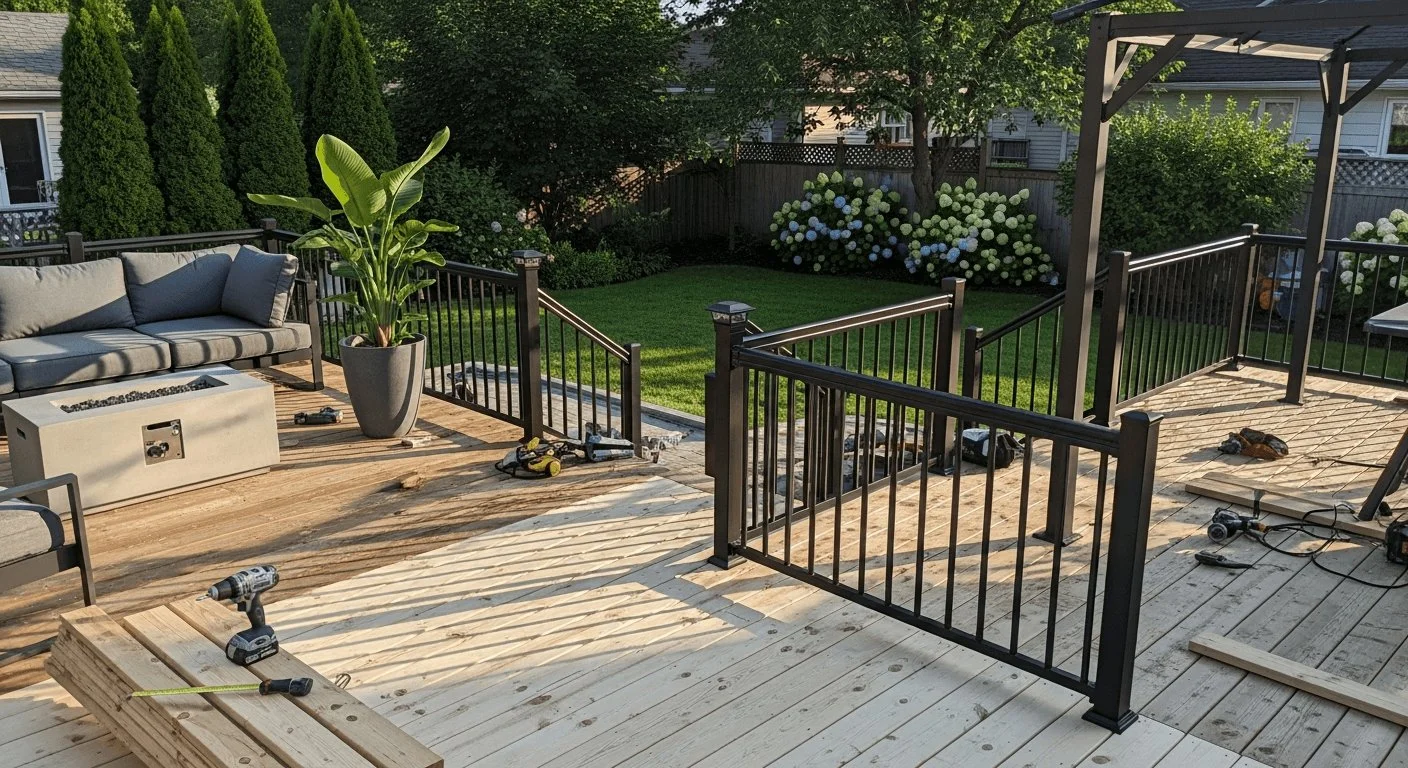
Railings and fasteners should also be chosen carefully. High-quality materials help prevent rust, corrosion, and wear caused by exposure to water and snow.
Durable materials help ensure that a deck with a hot tub continues to perform well and maintain its appearance for many years, even with Minnesota’s changing weather conditions.
Planning the Layout for Safety and Convenience
A successful deck design focuses not only on appearance but also on how the space is used. The layout should make it easy and safe for everyone to move around the spa area.
Clear walking paths are important. People should be able to move easily between the house, seating areas, and the hot tub without obstacles.
Steps and railings can help improve safety, especially if the deck includes multiple levels. Well-lit steps and sturdy railings make the space easier to navigate at night.
Storage is another useful feature. Built-in benches or deck boxes can store towels, spa supplies, or outdoor accessories while keeping the area organized.
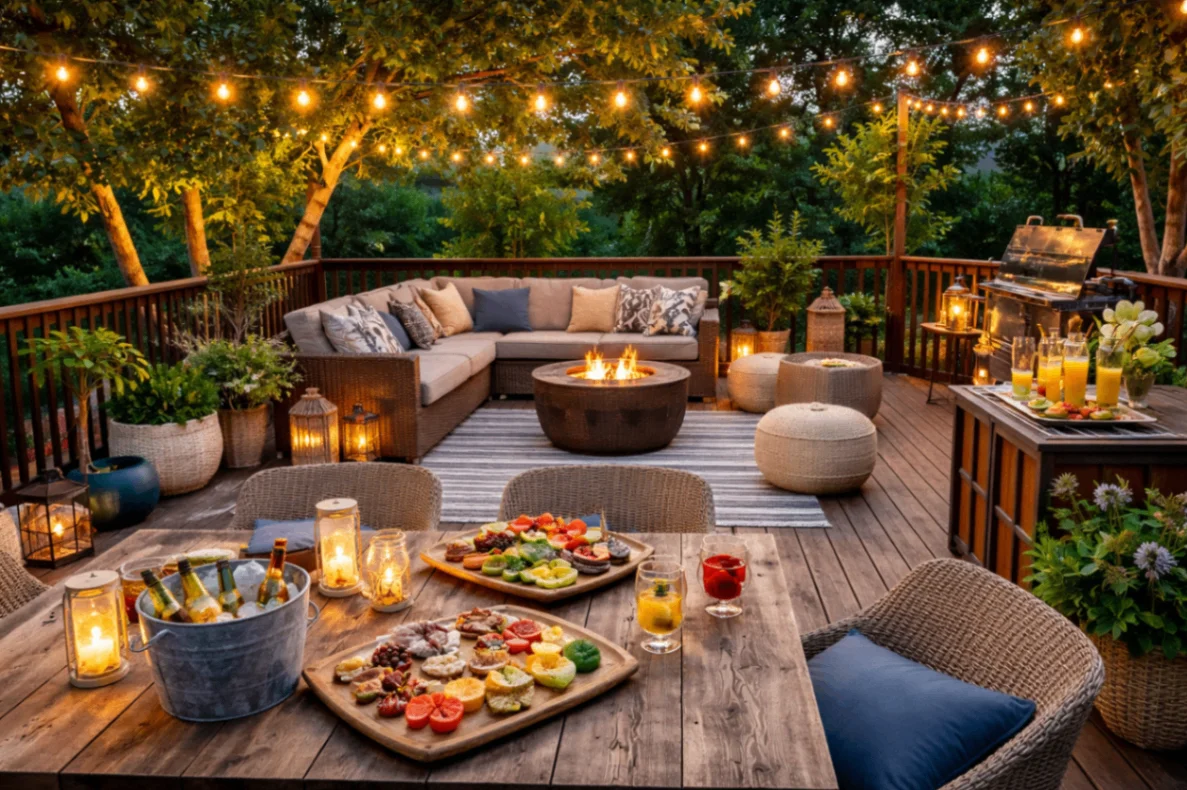
Many homeowners also like to connect the deck with other backyard features such as patios, fire pits, or outdoor kitchens. When everything is planned together, the entire yard feels like one unified outdoor living space.
Work With Professionals When Designing a Deck With a Hot Tub
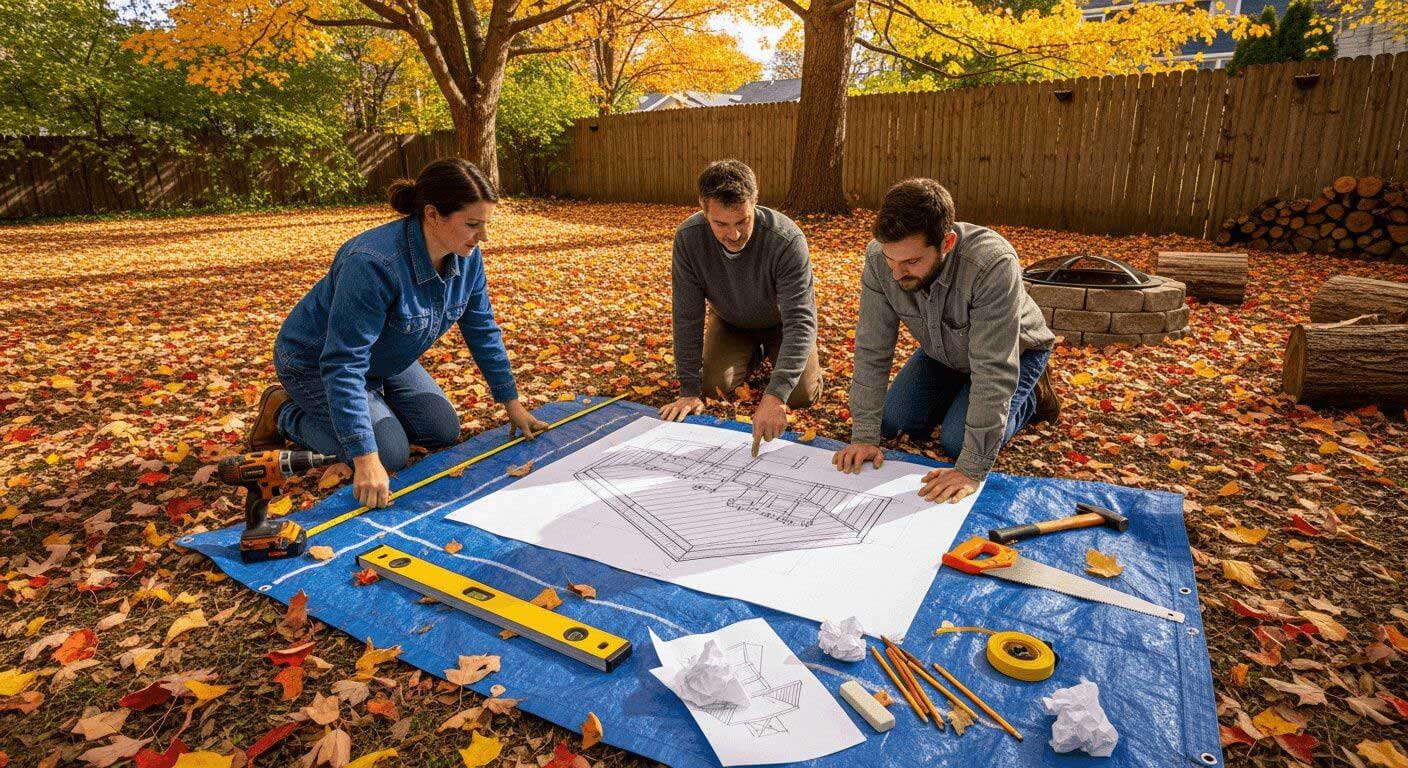
Designing and building a deck with a hot tub requires careful planning and professional expertise. Structural strength, proper footings, electrical planning, and code compliance are all important factors that must be handled correctly.
Working with experienced deck builders ensures the project is designed safely and built to last. Professionals understand local building codes, structural requirements, and the best materials for Minnesota’s climate.
Custom design also allows homeowners to create a space that fits their lifestyle. Whether the goal is quiet relaxation, entertaining guests, or creating a family gathering space, a well-planned deck can turn those ideas into a functional outdoor living space.
Conclusion
Designing a deck with a hot tub is about more than simply adding a spa to the backyard. With the right layout, strong structural support, and smart design features like multi-level spaces, built-in seating, and privacy elements, a deck can become a relaxing escape that can be enjoyed throughout every season in Minnesota. Careful planning, from selecting materials that handle moisture and winter weather to designing comfortable seating areas, helps create an outdoor space that truly feels like an extension of the home.
With over two decades of construction experience serving homeowners throughout the Twin Cities Metro, Dupont Decks specializes in building custom outdoor living spaces designed for the way families live today. If it’s time to transform the backyard into a relaxing outdoor oasis, now is the perfect time to schedule a deck design consultation with Dupont Decks and begin planning a beautiful, functional deck that will be enjoyed for years to come.