Planning a new deck is exciting. You start picturing summer barbecues, family get-togethers, and quiet evenings outside enjoying the fresh Minnesota air. In communities across the Twin Cities Metro, a deck isn’t just a structure, it becomes one of the most used spaces in your home during the warmer months. But while it’s easy to focus on colors, railing styles, and furniture, many homeowners don’t realize how small design decisions can turn into big frustrations later.
The truth is, most deck design mistakes happen before the first board is even installed. From building too small to ignoring Minnesota’s freeze-thaw cycles, these missteps can leave you with a deck that feels awkward, underused, or harder to maintain than expected. The good news? With thoughtful planning and the right design approach, these common problems can be avoided. Let’s look at the most common deck design mistakes Minnesota homeowners make and how you can avoid them.
1. Building a Deck That’s Too Small
One of the most common mistakes is underestimating how much space you actually need. On paper, a 12×12 deck might seem big. But once you add a dining table, chairs, a grill, and room to walk comfortably, the space can quickly feel cramped.
In Minnesota, where outdoor time is limited by long winters, homeowners want to make the most of every warm day. A deck that feels tight or crowded won’t get used as much as you hoped.
How to Avoid It:
Design around your lifestyle first. Measure your furniture. Plan for separate zones — dining, lounging, grilling. Leave at least 3 feet of walking space around furniture so guests can move freely. It’s often smarter to build slightly larger now than wish you had later.
2. Ignoring Traffic Flow From the House
Your deck should feel like a natural extension of your home. Unfortunately, many designs ignore how people move in and out of the house.
If your kitchen door opens directly into a seating area, or guests must squeeze past the grill to reach the stairs, the layout will feel awkward. Poor traffic flow makes even a large deck feel uncomfortable.
How to Avoid It:
Think about how your indoor spaces connect to the deck. Place dining areas near the kitchen. Keep grilling zones slightly off to the side but still accessible. Make sure doors can open fully without blocking furniture. A good layout feels easy and natural.
3. Poor Stair Placement
Stairs are often treated as an afterthought. But their location can dramatically impact how your deck functions.
Placing stairs in the center of the deck may cut your usable space in half. Poor positioning can also create safety concerns, especially during Minnesota winters when snow and ice accumulate.
How to Avoid It:
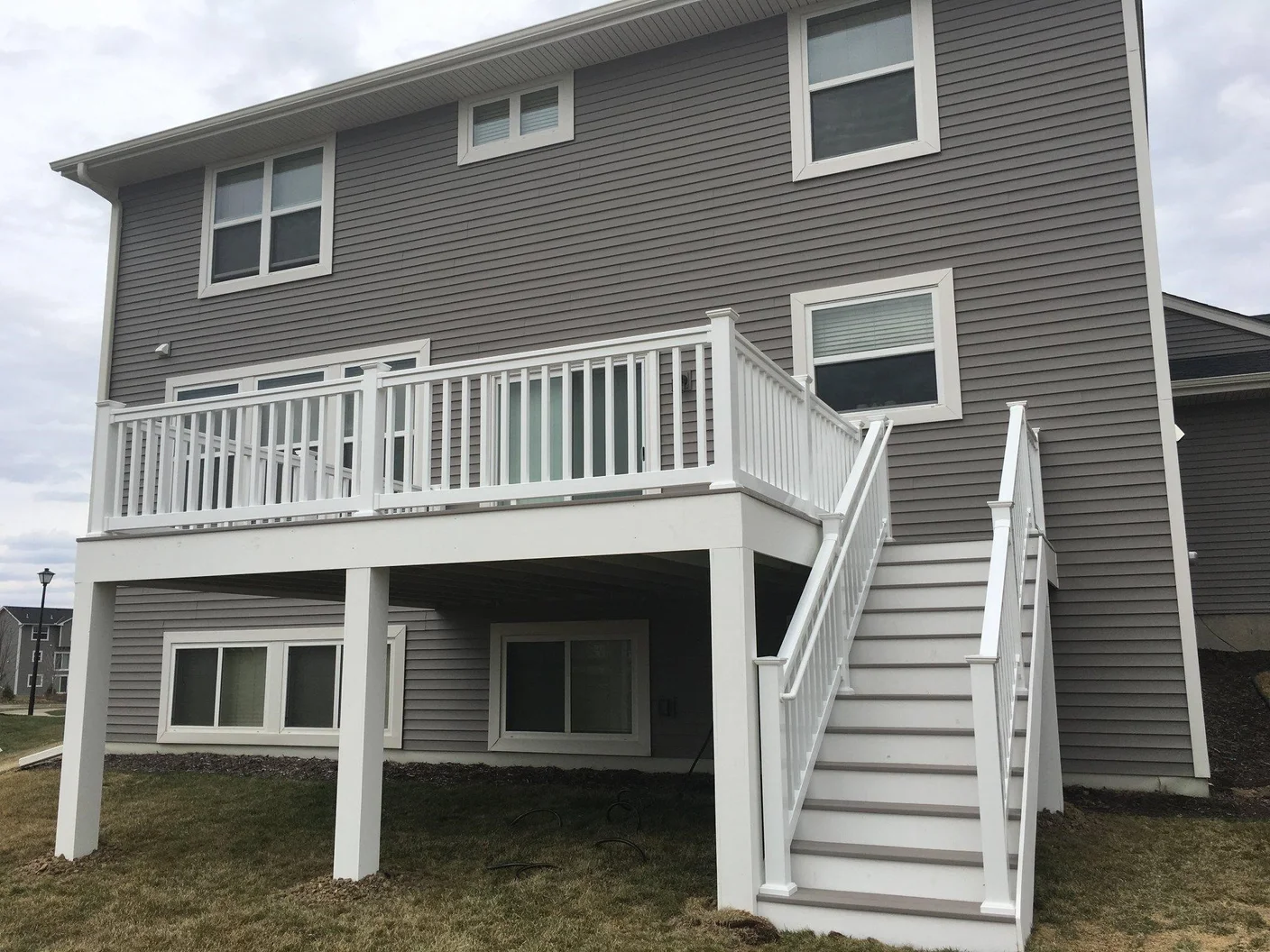
Consider placing stairs along the side of the deck to keep the main area open. Make sure they lead to a logical path in your yard. Think about snow removal, you don’t want stairs located where snow piles up or becomes slippery.
Well-designed stairs improve both safety and flow.
4. Overlooking Privacy
In many Twin Cities suburban neighborhoods, homes are built close together. Without privacy features, your deck may feel exposed to neighbors.
Homeowners often realize too late that their relaxing backyard space feels more public than private.
How to Avoid It:
Add privacy screens, decorative panels, or partial walls. Pergolas with drapes can also help create separation. Landscaping, such as shrubs or small trees, adds natural privacy while improving the look of your yard.
Even simple additions can turn an open deck into a cozy retreat.
5. Not Planning for Shade
Minnesota summers can bring surprisingly intense sun and heat. A deck without shade may be uncomfortable during peak afternoon hours.
Without protection, furniture fades faster, and surfaces can become too hot to walk on barefoot.
How to Avoid It:
Consider adding a pergola, covered section, or future framing that allows for a shade structure later. Think about the direction your deck faces and how sunlight moves across your yard. Planning for shade from the start increases comfort and usability.
6. Forgetting About Lighting
Lighting is often overlooked during deck design. Many homeowners assume their porch light will be enough.
But in Minnesota, where it gets dark early in fall and winter, proper lighting is essential for both safety and atmosphere. Poor lighting makes stairs dangerous and limits how long you can enjoy your deck.
How to Avoid It:
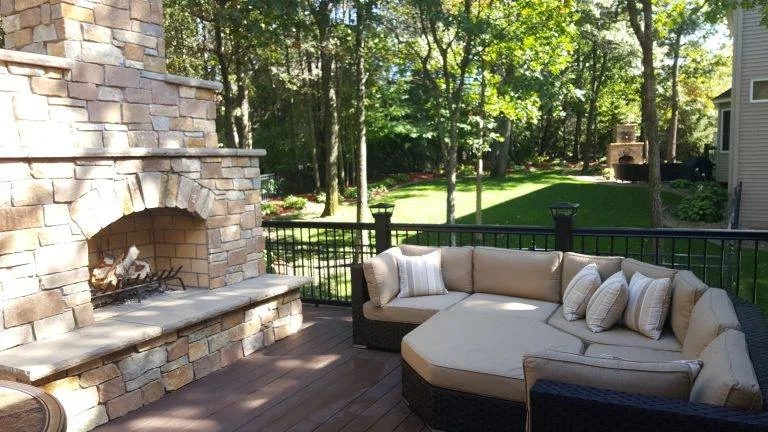
Install built-in stair lights, post cap lights, under-rail lighting, or solar deck lighting. Integrated lighting improves safety while creating a warm, inviting atmosphere. Planning wiring during the design phase is much easier than adding it later.
7. Choosing Materials Without Considering Minnesota Weather
Minnesota’s freeze-thaw cycles are tough on decks. Snow sits on surfaces for months. Moisture seeps into cracks and expands when frozen. Over time, this can cause warping, cracking, or rotting, especially when lower-quality materials are used.
Some homeowners choose decking based only on price or appearance, without considering long-term durability.
How to Avoid It:
Select materials designed to handle moisture and temperature changes. Composite decking options like TimberTech® and AZEK® are built for durability and low maintenance. They resist rot, fading, and moisture damage, making them ideal for Minnesota homes.
The right materials protect your investment and reduce maintenance work year after year.
8. Not Planning for Future Upgrades
Your needs may change over time. Maybe you want to add upgraded lighting or additional outdoor features later.
If your deck isn’t designed to support additional weight or wiring, upgrades can become complicated and expensive.
How to Avoid It:
Think ahead. Reinforce framing if you might add heavier features in the future. Install extra electrical capacity during initial construction. Planning for flexibility allows your deck to grow with your lifestyle.
9. Treating the Deck as an Add-On Instead of Part of the Overall Design
A deck should look like it belongs to your house. When materials clash or the design feels disconnected from the home, the deck can look like an afterthought.
This mistake impacts both curb appeal and resale value.
How to Avoid It:
Choose railing styles, colors, and finishes that complement your home’s architecture. Extend rooflines or trim details when possible. A well-integrated deck feels intentional and adds beauty to your entire property.
Conclusion
A deck should be a place where memories are made, not where design regrets begin. Many common deck design mistakes happen during the planning phase, long before construction starts. Building too small, ignoring traffic flow, overlooking shade or lighting, and failing to account for Minnesota’s harsh winters can all lead to frustration down the road. But with careful planning and thoughtful design, these problems can be completely avoided.
If you’re gathering ideas for a new deck anywhere in the Twin Cities Metro, take time to study what works well and what doesn’t. Seeing real examples of smart layouts, proper stair placement, integrated lighting, and durable materials can make a huge difference in your planning process. To get inspired and see how experienced professionals avoid these common mistakes, view our project portfolio at Dupont Decks and explore decks designed for Minnesota living.