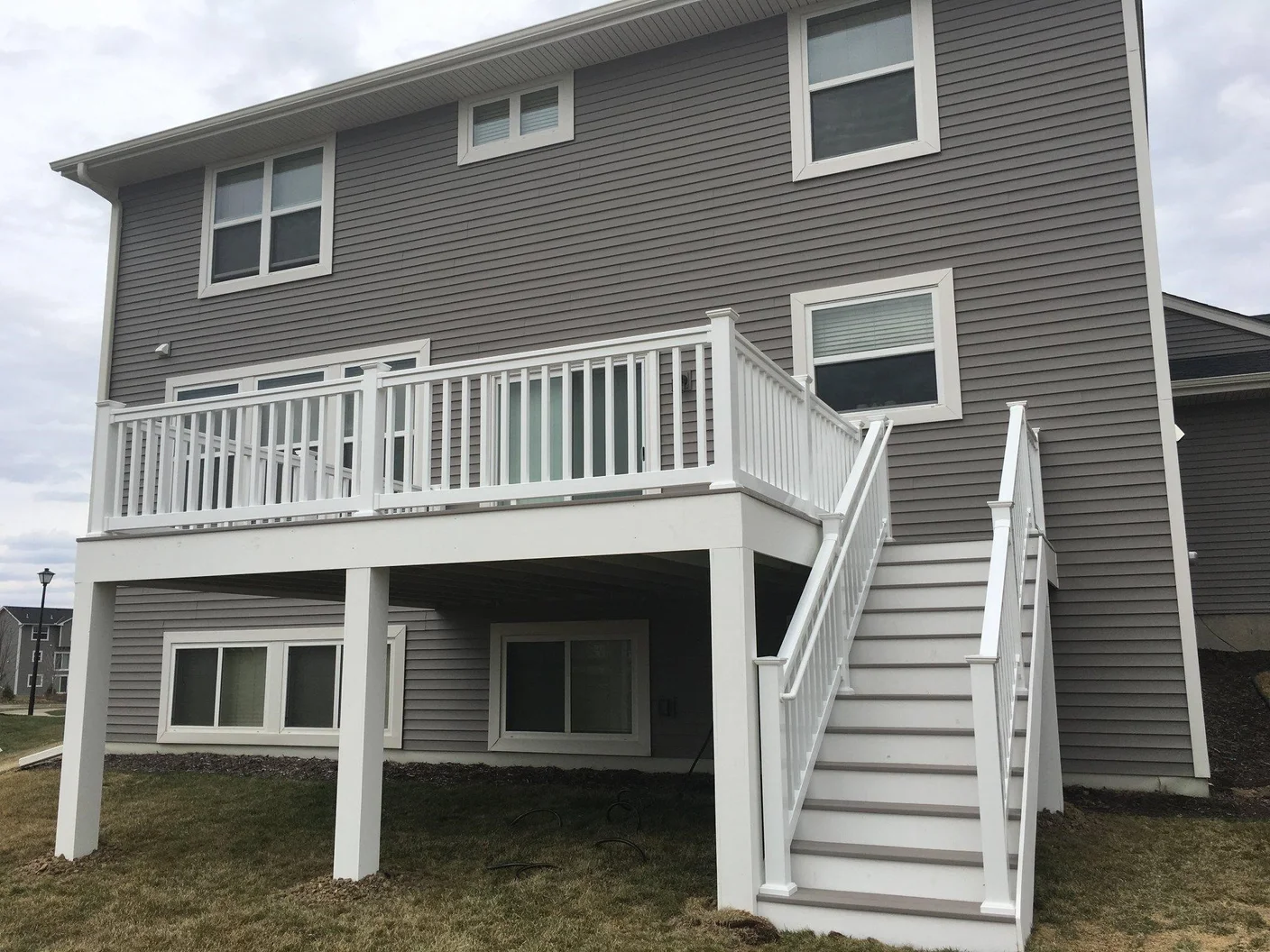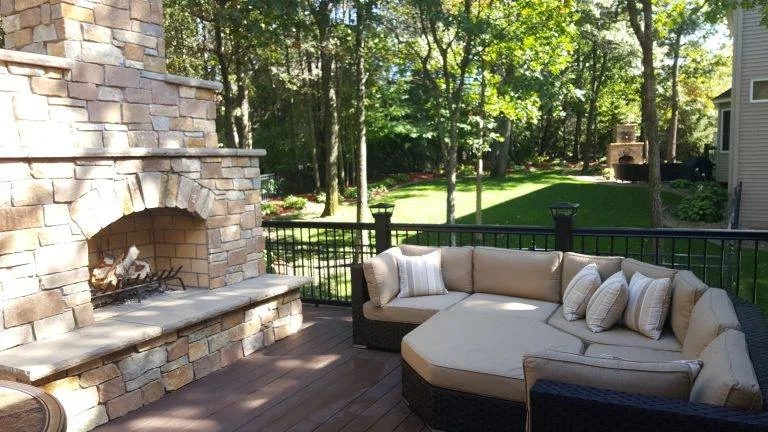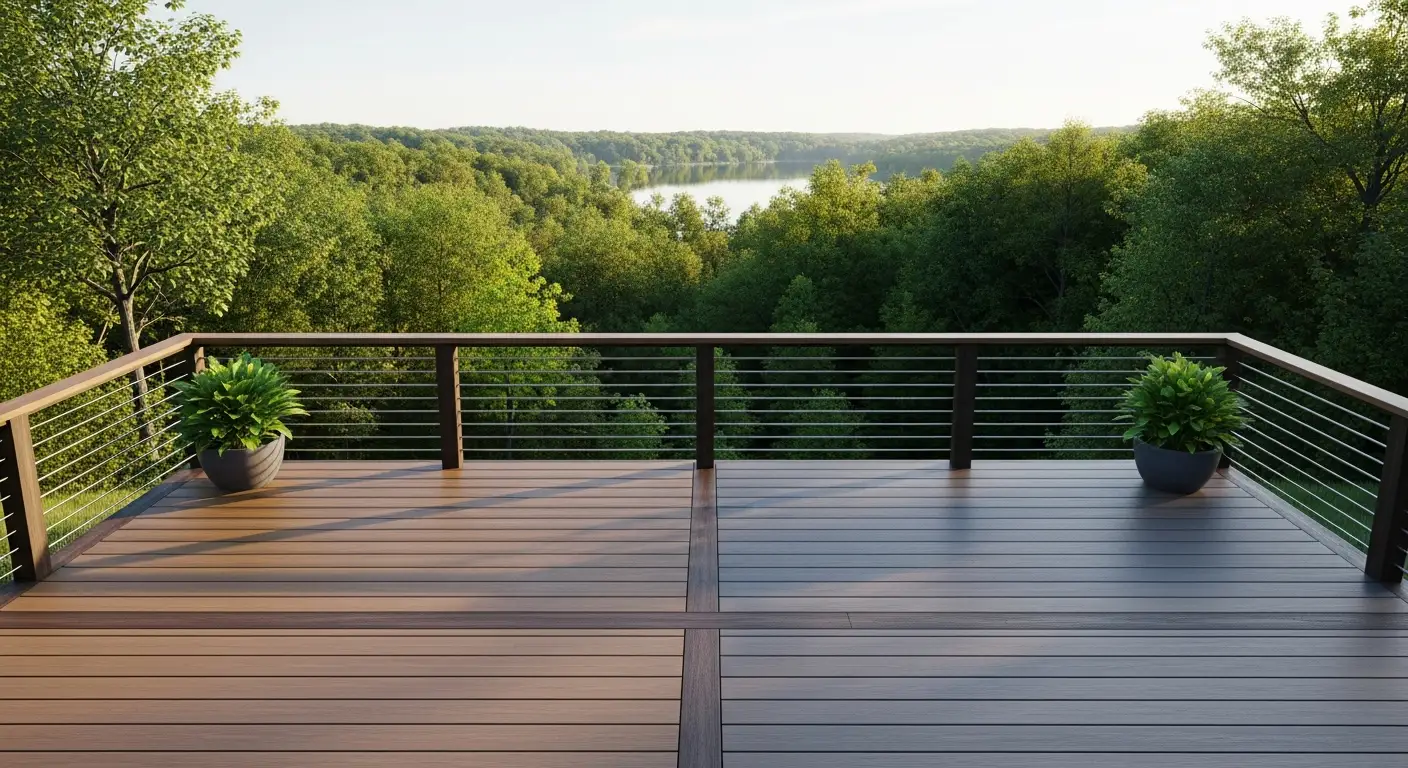
Spring in Minnesota means it’s finally time to step outside and enjoy your backyard again. For many homeowners across the Twin Cities suburbs, April is when deck projects move from ideas to real plans. One of the biggest decisions you’ll face is Composite vs cedar decking. While both options can look beautiful, Minnesota’s freezing winters, heavy snow, rainy springs, and hot summers can have a big impact on how your deck performs over time.
Choosing the right material isn’t just about today’s price, it’s about how your deck will hold up for years to come. Some materials need regular maintenance to stay in good shape, while others are built to resist warping, cracking, and moisture damage. In this guide, we’ll break down the key differences so you can feel confident investing in the right decking material for your home and lifestyle.
Why Minnesota’s Climate Makes This Decision So Important
If you live anywhere in Minnesota, you already know how extreme our weather can be.
- Winters bring freezing temperatures and heavy snow.
- Spring creates moisture and constant freeze-thaw cycles.
- Summers add heat and strong UV rays.
- Fall brings rain and falling debris.
These conditions cause decking boards to expand, contract, absorb moisture, and dry out repeatedly. Over time, this can lead to cracking, warping, and structural problems—especially with lower-quality materials.
That’s why the debate over Composite vs wood decking matters more in Minnesota than in milder climates. The right material can mean the difference between a deck that lasts decades and one that needs major repairs within a few years.
What Is Cedar Decking?
Cedar decking has been used for generations and is still a common choice for homeowners.
Natural Cedar Decking
- Cedar – Naturally resistant to insects and decay and the primary wood option we install.
Benefits of Cedar Decking
Cedar decking offers several advantages:
- Lower upfront cost
- Natural, warm appearance
- Cooler surface under direct sunlight
- Easy to customize and cut
For homeowners on a tight budget, cedar may seem like the most practical option at first.
Challenges of Cedar in Minnesota
However, Minnesota weather can still be demanding on natural cedar decking.
- Moisture can lead to rot and mold growth
- Freeze-thaw cycles can cause boards to crack or warp
- Cedar requires staining and sealing every 1–2 years
- Over time, splinters can form
Even well-maintained cedar decks may last around 10–20 years. Without regular upkeep, that lifespan can be shorter.
What Is Composite & PVC Decking?
Composite decking is made from a mix of recycled wood fibers and plastic. PVC decking is fully synthetic and contains no wood at all. Both are designed to reduce maintenance and improve durability.
Premium brands like TimberTech® and AZEK® have become popular because they combine the look of natural wood with advanced technology that improves performance, as well as other composite materials available on the market.
Benefits of Composite Decking
Composite and PVC decking offer strong advantages in Minnesota’s climate:
- No staining or sealing required
- Resistant to moisture and rot
- Designed to resist warping and cracking
- Long lifespan (often 25–50 years)
- Consistent color that doesn’t fade quickly
- Hidden fasteners for a clean, modern look
Because composite boards absorb much less moisture than traditional cedar, they handle freeze-thaw cycles much better.
At Dupont Decks, we install TimberTech and AZEK products, along with other high-quality composite materials, because they offer premium durability and long-term performance.
Possible Downsides
The biggest drawback is the higher upfront cost. Composite boards can also feel warmer in direct sunlight. However, many homeowners feel that the long-term savings and reduced maintenance make composite well worth the investment.
Composite vs Cedar Decking: Side-by-Side Comparison
Let’s compare the two options clearly:
Upfront Cost
- Cedar: Lower initial cost
- Composite: Higher initial investment
Maintenance
- Cedar: Needs regular staining, sealing, and repairs
- Composite: Minimal maintenance required
Lifespan in Minnesota
- Cedar: 10–20 years with proper care
- Composite: 25+ years with little upkeep
Resistance to Weather
- Cedar: Can warp, crack, or rot
- Composite: Designed to resist moisture and freeze-thaw damage
Long-Term Cost
- Cedar: Ongoing maintenance expenses
- Composite: Lower maintenance costs over time
When you look beyond the initial price tag, composite often provides better long-term value.
In Minnesota’s harsh climate, many homeowners are choosing premium composite decking because it offers a more reliable, long-term solution with less maintenance and fewer surprises over time.
The True Cost Over 20 Years
Many homeowners focus only on material costs, but long-term expenses matter.
With cedar decking, you may pay for:
- Stain and sealant every few years
- Sanding and refinishing
- Replacement boards
- Professional labor
Over 15–20 years, those costs can add up significantly.
Composite decking typically requires simple cleaning with soap and water. There’s no need for staining or sealing, and boards are less likely to need replacement. For busy families across the Twin Cities Metro, that convenience is a major benefit.
Which Material Is Right for Your Home?
There’s no single “perfect” answer. It depends on your priorities.
Choose Cedar If:
- You have a limited budget
- You prefer a fully natural look
- You don’t mind regular maintenance
Choose Composite If:
- You want low maintenance
- You plan to stay in your home long term
- You want durability through harsh winters
- You prefer a clean, long-lasting finish
An experienced deck builder, such as Dupont Decks, can help you weigh these factors based on your home’s layout, sun exposure, and long-term goals.
Why Professional Installation Matters
Even the best decking material can fail if it’s not installed correctly. Proper framing, spacing, drainage, and fastening are critical for long-term durability, especially in Minnesota’s climate.
With nearly two decades of experience, Dupont Decks builds custom decks designed to meet and exceed state building codes. Every project is supervised with care and attention to detail. “Our Work is our Word” reflects the small business values that guide every build.
From brand-new decks to replacing outdated cedar with low-maintenance materials, the Dupont Decks team handles projects large and small across the Twin Cities suburbs including Blaine, Edina, Maple Grove, Plymouth, Woodbury, and Eden Prairie.
Conclusion
When comparing Composite vs cedar decking, it’s clear that both materials have benefits. Cedar offers a classic look and lower upfront cost but requires regular maintenance and may struggle with Minnesota’s freeze-thaw cycles. Composite decking costs more at first but delivers long-lasting durability, minimal upkeep, and strong performance in tough weather conditions.
If you’re ready to build a deck that’s designed for Minnesota living, trust the experienced professionals at Dupont Decks. With over 20 years of construction experience and a reputation built on quality craftsmanship, we proudly serve homeowners throughout the Twin Cities Metro. Fill out our online form to schedule your free, no-obligation estimate. Let Dupont Decks help you create a beautiful backyard space you’ll enjoy for decades.