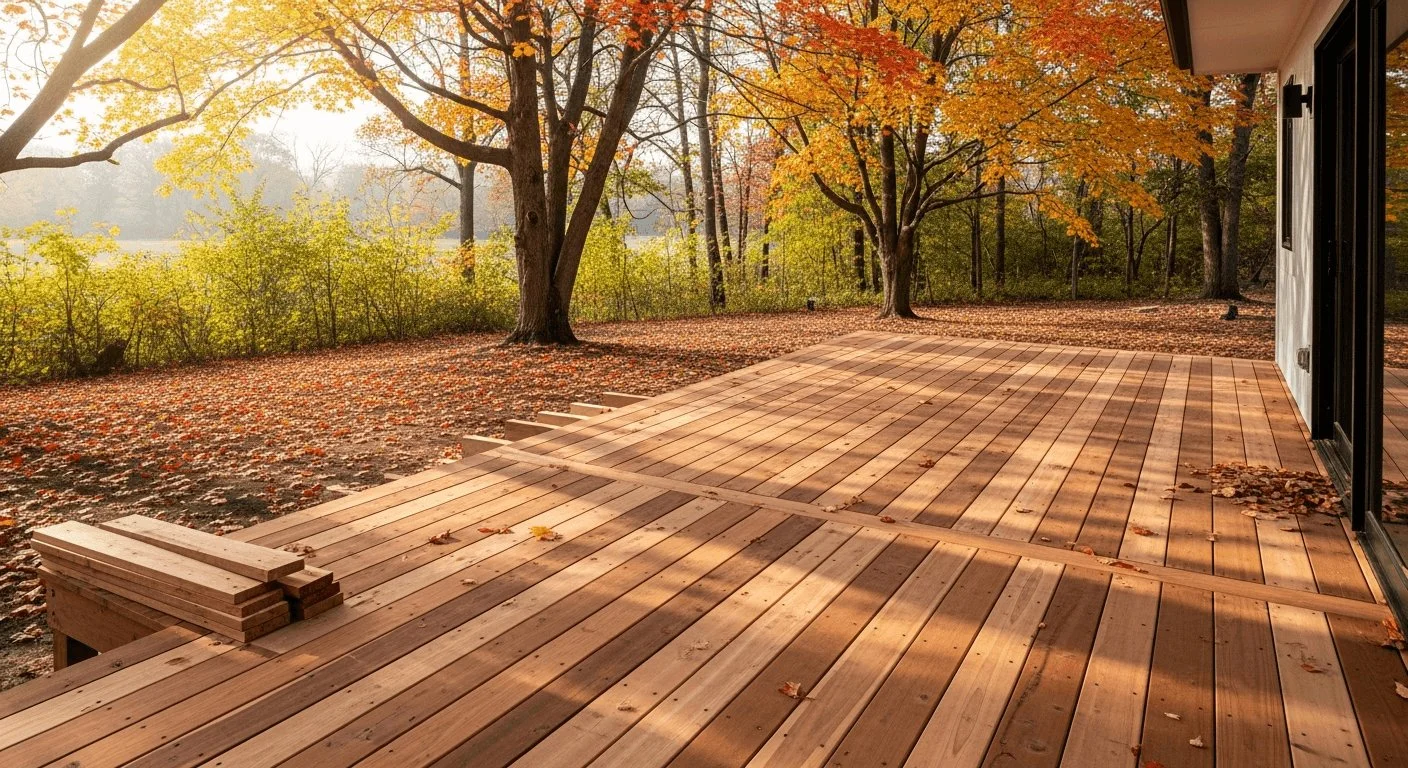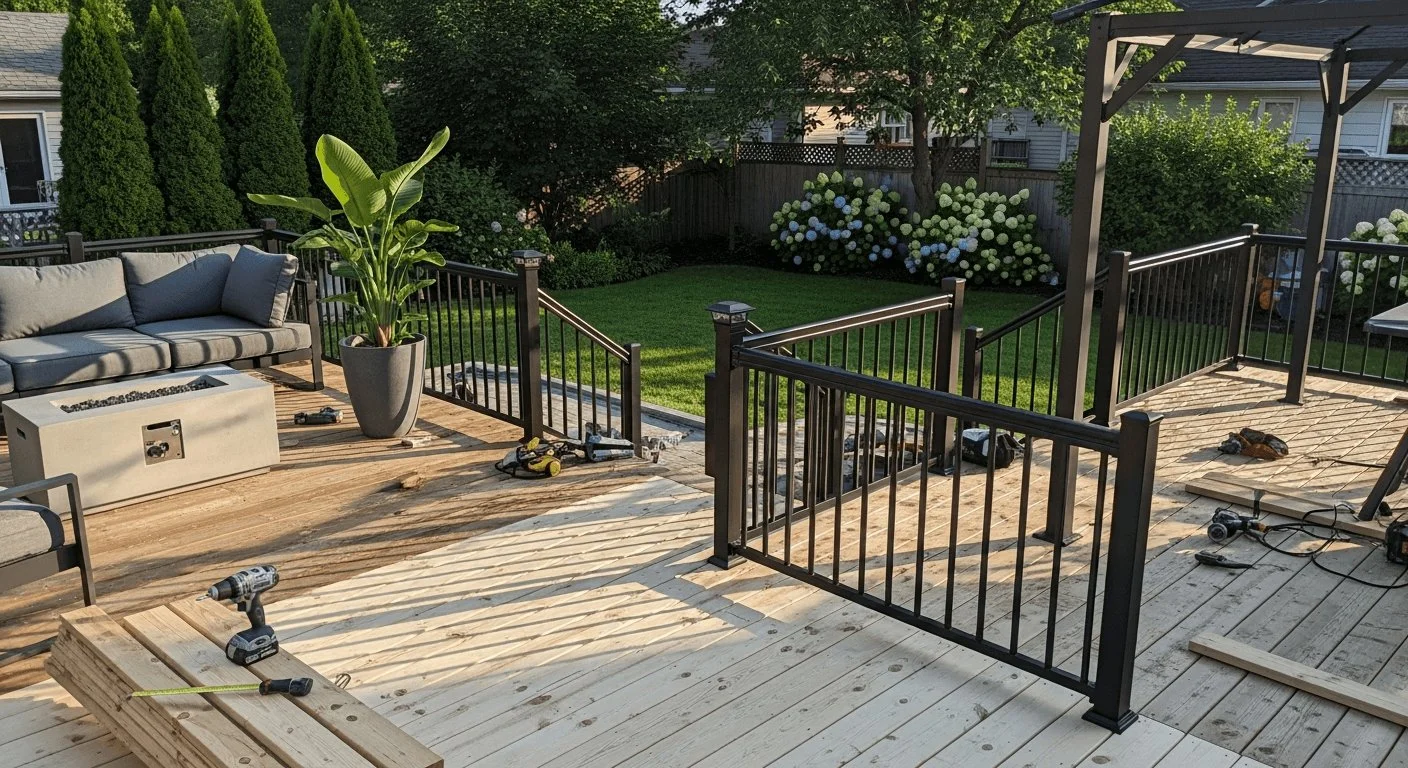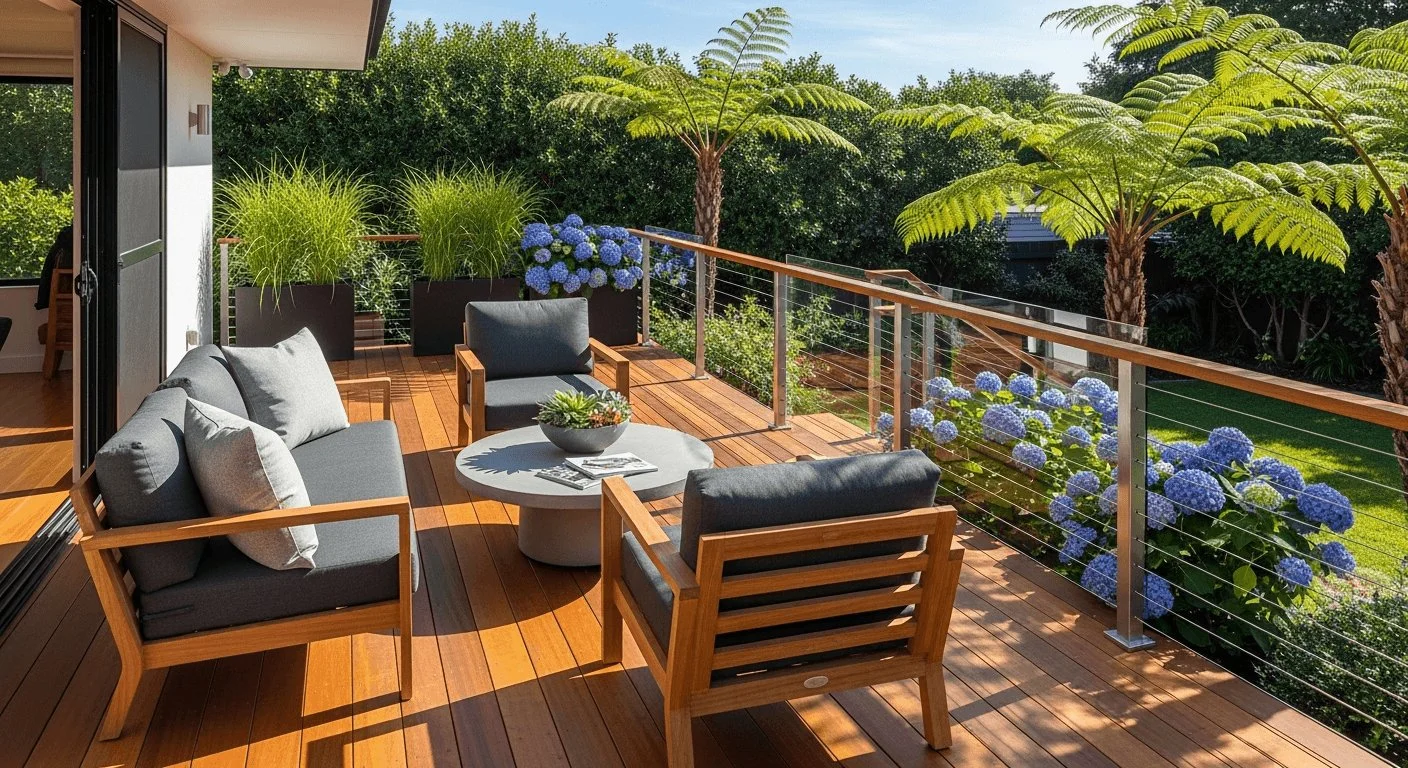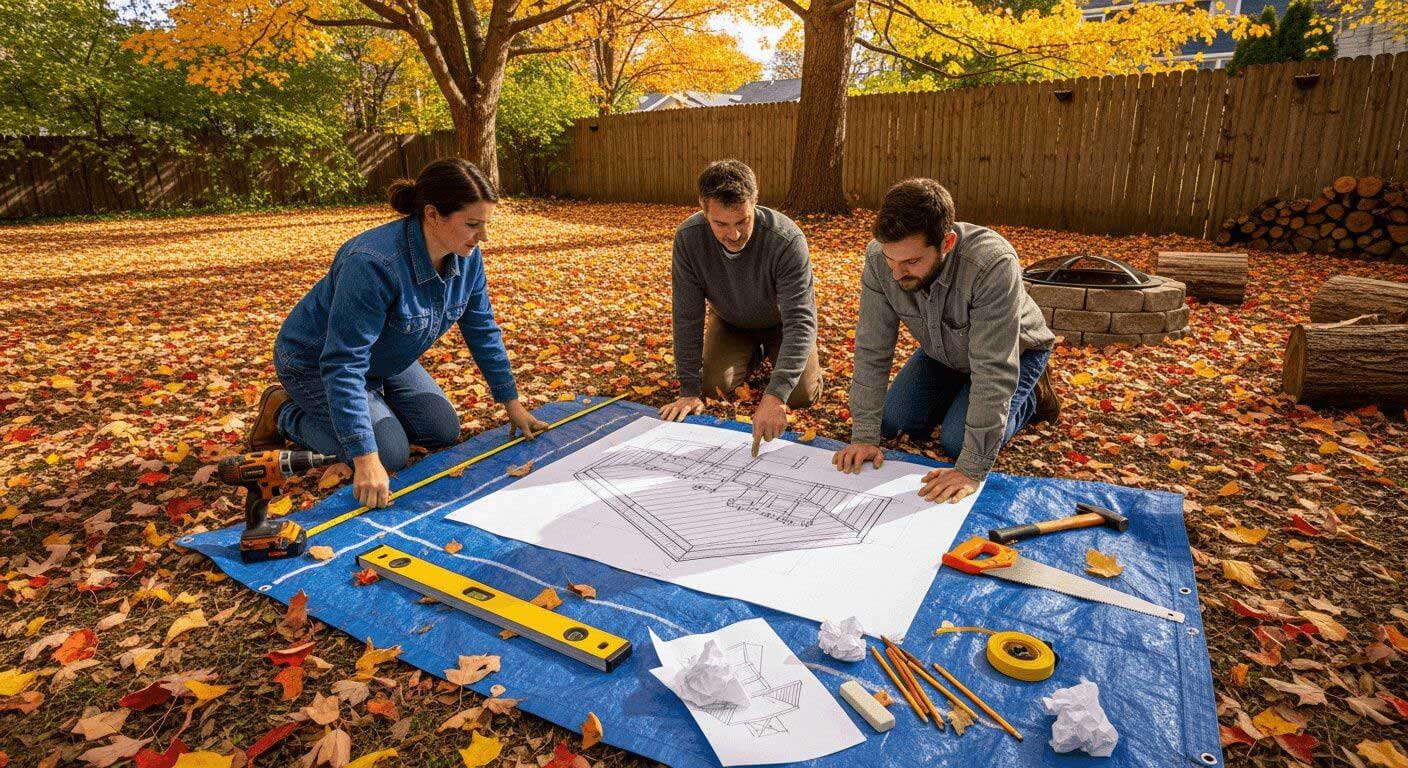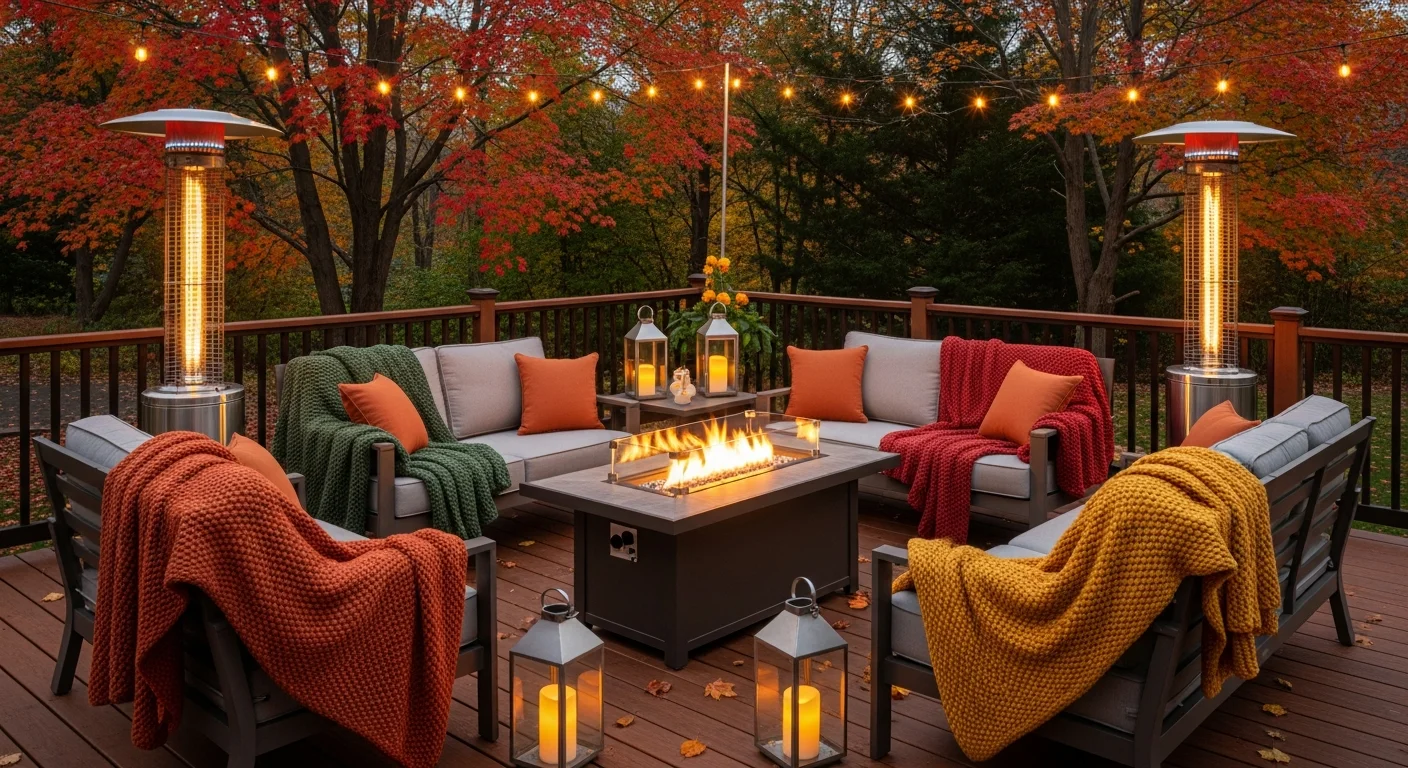
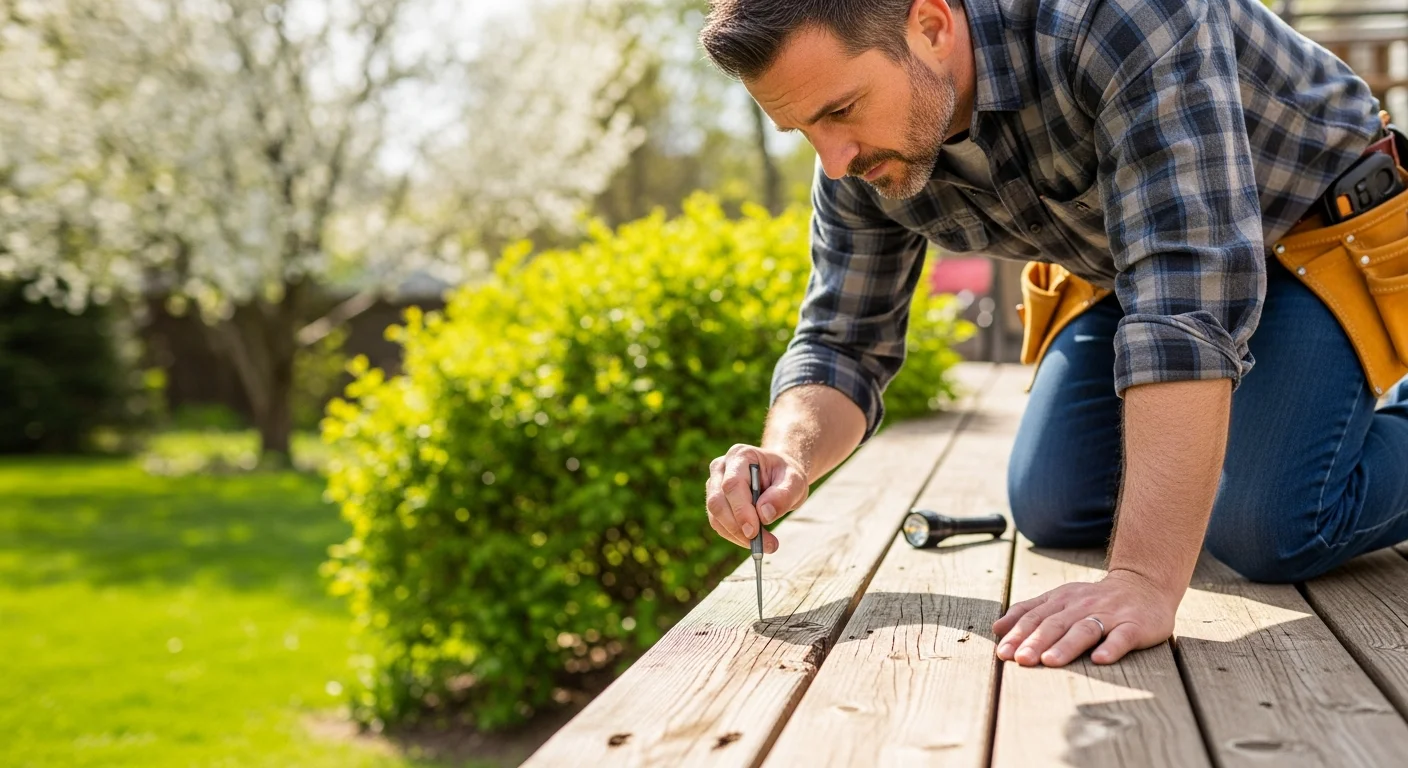
When the weather warms up in Minnesota, decks quickly become a favorite place for relaxing, grilling, and spending time with family and friends. But after months of snow, ice, and changing temperatures, decks can develop hidden damage. That’s why May is National Deck Safety Month®, reminding homeowners to check their decks before summer gatherings begin. Even a deck that looks fine on the surface could have loose boards, weak railings, or structural wear.
A simple deck safety inspection can help you spot small problems before they turn into bigger safety risks. In this guide, we’ll cover the common signs of deck damage, key areas to evaluate, and when it may be time to repair or replace a deck. If you discover your deck needs professional help or you’re ready to upgrade your outdoor space, Dupont Decks proudly serves homeowners throughout the Twin Cities Metro with over two decades of construction experience. Request an estimate today.
What Is a Deck Safety Inspection?
A deck safety inspection is a careful check of your deck’s structure, boards, railings, and connections to make sure everything is safe and stable. Decks are exposed to weather all year long, and over time, moisture, temperature changes, and regular use can weaken important parts of the structure.
An inspection looks for damage, loose components, and signs of wear. The goal is to find problems early before they become serious safety hazards. A well-maintained deck can last many years, but ignoring warning signs can lead to costly repairs or even structural failure.
Professionals typically inspect key areas such as:
- Deck boards and surface materials
- Support posts and beams
- Joists and framing
- Railings and stairs
- Ledger board connection to the house
- Fasteners, screws, and brackets
For homeowners across the Twin Cities Metro, seasonal weather changes make regular inspections even more important. Snow, ice, and moisture can slowly weaken wood and metal connections if they are not properly maintained.
Signs Your Deck May Need Attention
Many deck problems start small but get worse over time. Knowing the warning signs can help you decide whether your deck needs repairs or a full rebuild.
Here are some common signs that your deck may need attention:
Loose or Cracked Deck Boards
Boards that move when stepped on or show deep cracks may indicate damage or weakening. These boards can create tripping hazards and should be repaired or replaced quickly.
Wobbly Railings
Deck railings should feel solid and stable. If they move when pushed or pulled, it could mean the fasteners or structural connections are failing.
Rusted or Missing Fasteners
Screws, nails, and metal connectors hold the deck together. Rust or missing hardware can weaken the entire structure.
Wood Rot or Soft Spots
Rotting wood often feels soft or spongy when pressed. This usually happens when moisture builds up over time and weakens the wood fibers.
Unstable Stairs
Stairs should feel secure and level. If they shift or creak excessively, they may need structural reinforcement.
Separation from the House
One of the most serious issues is when the deck begins to pull away from the home. This often involves problems with the ledger board, which supports much of the deck’s weight.
If you notice any of these problems during your deck safety inspection, it’s a good idea to address them quickly.
A Basic Deck Safety Inspection Checklist
A basic deck safety inspection can be performed once or twice a year. The best time is during spring, before the deck gets heavy use during the summer months.
Use this simple checklist:
1. Walk the Entire Deck
Walk across the deck and note any movement, soft areas, or squeaking boards.
2. Test the Railings
Check railings for stability to see if they feel loose or unstable.
3. Check the Ledger Board
The ledger board connects the deck to your home. Look for gaps, rusted bolts, or signs of water damage.
4. Inspect Deck Boards
Check for cracked, warped, or rotting boards that may need replacement.
5. Examine Support Posts
Inspect the posts underneath the deck. They should be straight, stable, and free from rot.
6. Look for Rust or Corrosion
Review screws, brackets, and metal connectors. Rusted hardware should be replaced.
While a basic visual inspection can help identify obvious issues , professional inspections often reveal hidden structural problems that homeowners might miss.
When Deck Repair Is Enough
Not every deck problem requires a full rebuild. In many cases, simple repairs can restore safety and extend the life of the structure.
Common deck repairs include:
- Replacing damaged boards
- Tightening or replacing railings
- Installing new fasteners or brackets
- Maintaining wood surfaces with sealing or staining
- Reinforcing stairs or support posts
These repairs are usually effective when the deck’s main framing and structural supports are still strong.
Routine maintenance can also make a big difference. Cleaning, sealing, and replacing worn parts helps protect the deck from moisture and weather damage. This is especially important for homeowners in Minnesota, where seasonal weather can be tough on outdoor structures.
When It’s Time to Replace Your Deck
Sometimes repairs are not enough. If the deck has major structural damage or is very old, replacement may be the safest and most cost-effective option.
Signs that it may be time to replace your deck include:
- Structural framing damage
- Extensive wood rot
- Decks older than 15–20 years
- Outdated building methods that no longer meet safety codes
- Repeated repairs that do not solve the problem
A new deck can provide better safety, stronger materials, and modern design options. It can also increase the value of your home and improve how you use your outdoor space.
Benefits of Building a New Deck
Replacing an old deck gives homeowners the opportunity to upgrade their entire outdoor living area.
Modern decks offer several advantages:
Improved Safety
New decks are built to meet current building codes and use stronger materials and hardware.
Low-Maintenance Materials
Composite decking materials like TimberTech and AZEK, along with select other high-quality composite materials resist rot, fading, and moisture damage while requiring less maintenance than traditional wood.
Custom Design Options
Homeowners can choose features such as:
- Multi-level deck designs
- Built-in seating
- Pergolas or shade structures
- Grill bump-outs for outdoor cooking
- Cable or aluminum railing systems
- Hot tub platforms
These upgrades can turn a simple deck into a comfortable outdoor space for relaxing, entertaining, and spending time with family.
Why Professional Deck Inspections Matter
While homeowners can check basic issues, a professional deck safety inspection provides a deeper evaluation of the deck’s structural integrity.
Professionals understand building codes, load requirements, and common structural weaknesses that may not be visible during a simple visual check.
They can:
- Identify hidden structural damage
- Evaluate framing and support systems
- Check connections and hardware
- Recommend repairs or replacement if needed
For homeowners planning upgrades or replacements, a professional inspection is often the first step toward creating a safer and more functional outdoor space.
Conclusion
Taking time to perform a deck safety inspection during Deck Safety Month can help protect your home and your family. Checking for loose boards, unstable railings, or signs of wood rot allows you to fix problems early. While some decks only need minor repairs, older or damaged decks may require a full replacement to ensure long-term safety and durability.
Upgrading your deck can also improve the way you enjoy your backyard with stronger materials, modern railings, and a design that fits your lifestyle. Dupont Decks specializes in building safe, high-quality decks for homeowners throughout the Twin Cities Metro. Whether you’re considering a complete deck replacement or giving your current outdoor space a modern facelift, our team can help you create a beautiful and functional area built to last. Request an estimate today.