If you’re planning to build a new deck in Minnesota, chances are one big question is at the top of your list: How much will it cost? With cold winters, strict building codes, and many material options, deck pricing here isn’t always simple. That’s why understanding what a quality deck truly costs in Minnesota in 2026 is essential before you move forward.
This guide is for homeowners who want a deck built right the first time, not a quick, cut-corner build. We’ll break down realistic price ranges, explain what drives pricing, and help you plan your budget with confidence. If you’re thinking ahead for a summer build, this guide will help you make informed decisions before requesting an estimate.
Average Deck Cost in Minnesota (2026 Pricing Overview)
In 2026, most homeowners in Minnesota should expect a professionally built, code-compliant deck to start around $12,000.00 and increase based on size, elevation, materials, and structural requirements. The final price depends on the size of the deck, materials used, site conditions, and added features.
Most professionally built decks in Minnesota fall between $45 and $90 per square foot, depending on material choice and structural complexity. Smaller, basic decks fall on the lower end, while larger decks with premium materials, custom layouts, or multiple levels can easily exceed $50,000.00 or more.
If you receive quotes that are dramatically lower than others, look closely at what’s included — permits, inspections, structural details, lumber grade, and warranty coverage. A lower number upfront can sometimes mean higher costs later.
What Factors Affect Deck Cost in Minnesota?
Several key factors influence the final price of your deck. The most significant variables are the total square footage, the material you choose, and the complexity of the design. Labor often accounts for half or more of the total investment.
In Minnesota specifically, structural requirements like deep footings below the frost line are non-negotiable. Beyond the basics, upgrades and additional features will also increase overall costs.
Deck Size and Layout
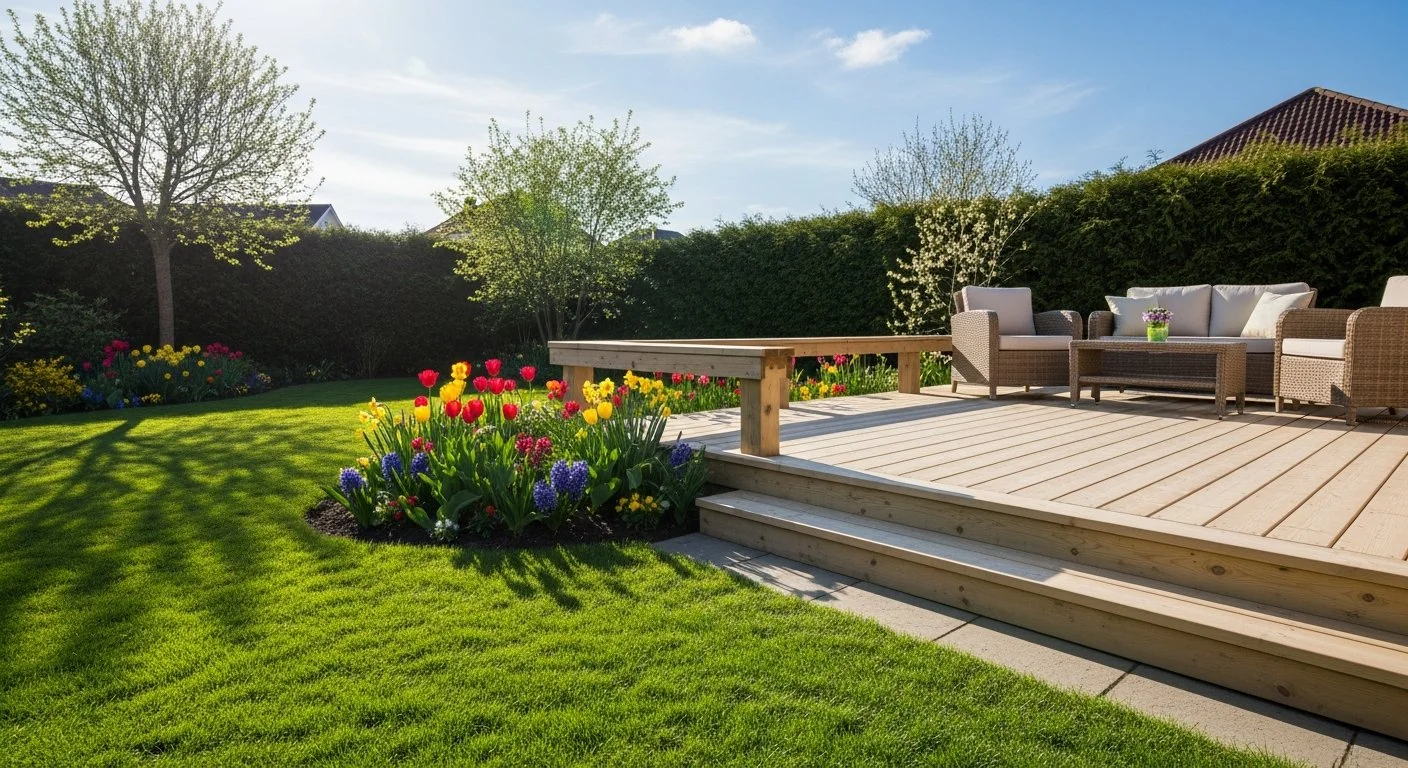
Deck size is one of the biggest factors in overall cost. A small, ground-level deck will cost less than a large deck attached to a second story. Custom layouts, curves, and wraparound designs increase both labor and material expenses.
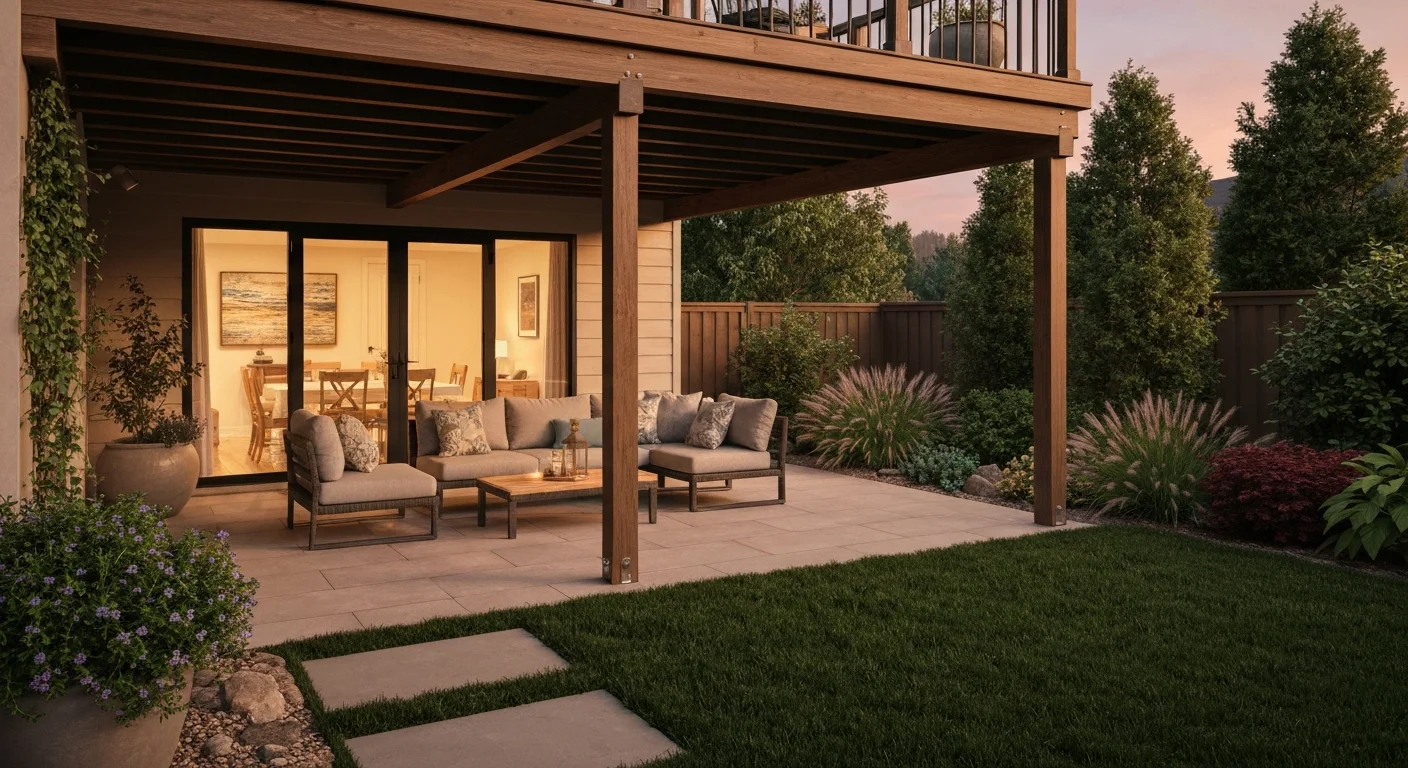
Multi-level decks are common in Minnesota homes with walkout basements or sloped yards. While they add functionality and visual appeal, they also require more framing, stairs, and structural support, which raises the total investment.
Deck Materials and Their Price Ranges
Material choice has a major impact on both upfront cost and long-term value.
- Cedar decking – Natural beauty with solid resistance to rot and insects, requires routine maintenance.
- Composite decking (TimberTech, Trex) – Higher upfront investment, minimal maintenance, strong long-term value.
- PVC decking (TimberTech AZEK line) – Premium moisture resistance, high durability, and very low maintenance.
Many Minnesota homeowners choose composite or PVC decking because it performs exceptionally well through extreme seasonal changes and significantly reduces long-term maintenance.
Structural Requirements in Minnesota
Minnesota decks must be engineered for frost depth, soil movement, heavy snow load, and freeze-thaw cycles. That means properly sized footings placed below the frost line, upgraded framing standards, and thorough inspection follow-through.
Cutting corners in these areas may not show up immediately, but it can lead to settling, bounce, or structural issues over time.
Cost of Popular Deck Features & Upgrades
The base price of your deck covers the foundation, framing, and decking. However, most homeowners choose additional features to enhance safety, function, and appearance.
From essential railings to luxury additions, each upgrade adds to the final investment. Your builder can walk you through options that match both your vision and your budget.
Railings and Safety Features
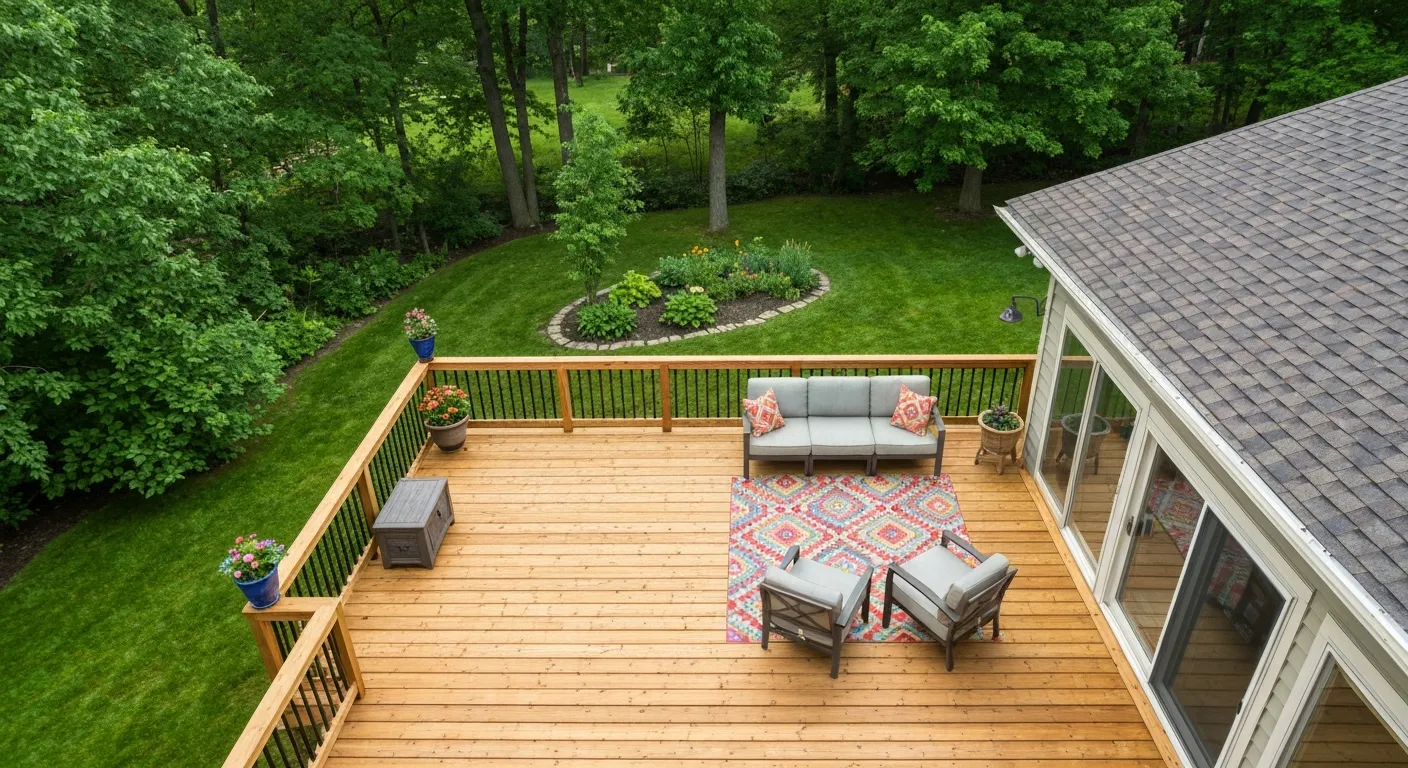
Railings are required on most elevated decks and come in a wide range of styles and materials, including:
- Wood railings
- Aluminum railings
- Cable rail systems
- Glass panel railings for unobstructed views
These are just a few available options. Railing systems can be customized to match your home’s design, and pricing varies based on material and complexity.
Stairs, Landings, and Access Points
Deck stairs increase total cost, especially for elevated decks. Straight staircases cost less, while wider or custom stair designs increase labor and materials. Multiple access points also add to the overall price.
Built-In Features
Built-in seating, storage, and other custom elements improve functionality and comfort. While they increase upfront investment, they enhance usability and overall deck value.
Luxury Add-Ons
Luxury features can significantly increase the total investment of your project, including:
- Pergolas or covered decks
- Deck lighting
- Privacy screens
- Grill bump-outs
- Hot tub-ready designs
These additions elevate your outdoor living space but should be planned carefully within your budget.
New Deck vs Deck Replacement Costs
Building a brand-new deck typically costs more than resurfacing an old one. However, replacement is often the smarter long-term option if the existing framing is outdated or compromised.
A full replacement allows builders to address structural issues, improve layout, and install modern materials that require less maintenance and last longer.
Why Quality Decks Cost More (And Why It’s Worth It)
Quality decks cost more because they are built with upgraded framing standards, higher-grade materials, disciplined permitting, and experienced crews who understand Minnesota building codes.
The difference is often not visible from the surface. It’s found in framing details, beam sizing, post placement, blocking, and inspection follow-through. Paying more upfront typically means fewer long-term repairs, better structural integrity, and greater peace of mind.
How to Budget for a Deck Project in Minnesota
Many homeowners begin planning 6–12 months in advance, especially for summer construction. Budgeting early gives you time to explore materials, finalize design decisions, and prepare for permitting.
Winter planning is especially smart in Minnesota. It allows you to secure your spot before peak season fills up and avoid rushed decisions.
How to Get an Accurate Deck Cost Estimate
Online calculators can provide rough numbers, but they don’t account for site conditions, permitting requirements, or design complexity. A professional estimate gives you a realistic and detailed understanding of your investment.
Before requesting an estimate, consider:
- Desired deck size
- Preferred materials
- Must-have features
- Timeline goals
Conclusion
A quality deck is a long-term investment. When built with stronger framing standards, disciplined permitting, and durable materials, it becomes a space you can enjoy for decades, not just a few seasons.
Dupont Decks builds premium outdoor living spaces for Twin Cities Metro homeowners who want something they’re proud of. We exceed code where it counts, handle permits and inspections start to finish, and back the deck frame we build with a lifetime structural warranty.
If you’re planning a project, request a Design + Build consultation and let’s build it right from the start.