Minnesota weather can be beautiful, but it can also be tough on outdoor structures, especially your deck. From freezing winters and heavy snow to humid summers and strong sun, your deck has to handle a lot. That’s why choosing the best deck materials for Minnesota’s climate is so important. The right materials and design features can help prevent cracking, warping, fading, and slippery surfaces, so your deck stays safe and strong all year long.
If you’re planning a new deck in the Twin Cities Metro or a nearby community, now is the time to make smart decisions before spring building season begins. In this guide, we’ll walk you through the best material options and features to consider for Minnesota’s extreme weather. And when you’re ready to bring your vision to life, schedule a professional Deck Design Consultation with Dupont Decks.
Understanding Minnesota’s Climate Challenges
Before choosing materials, it helps to understand what your deck is up against.
Freeze-Thaw Cycles
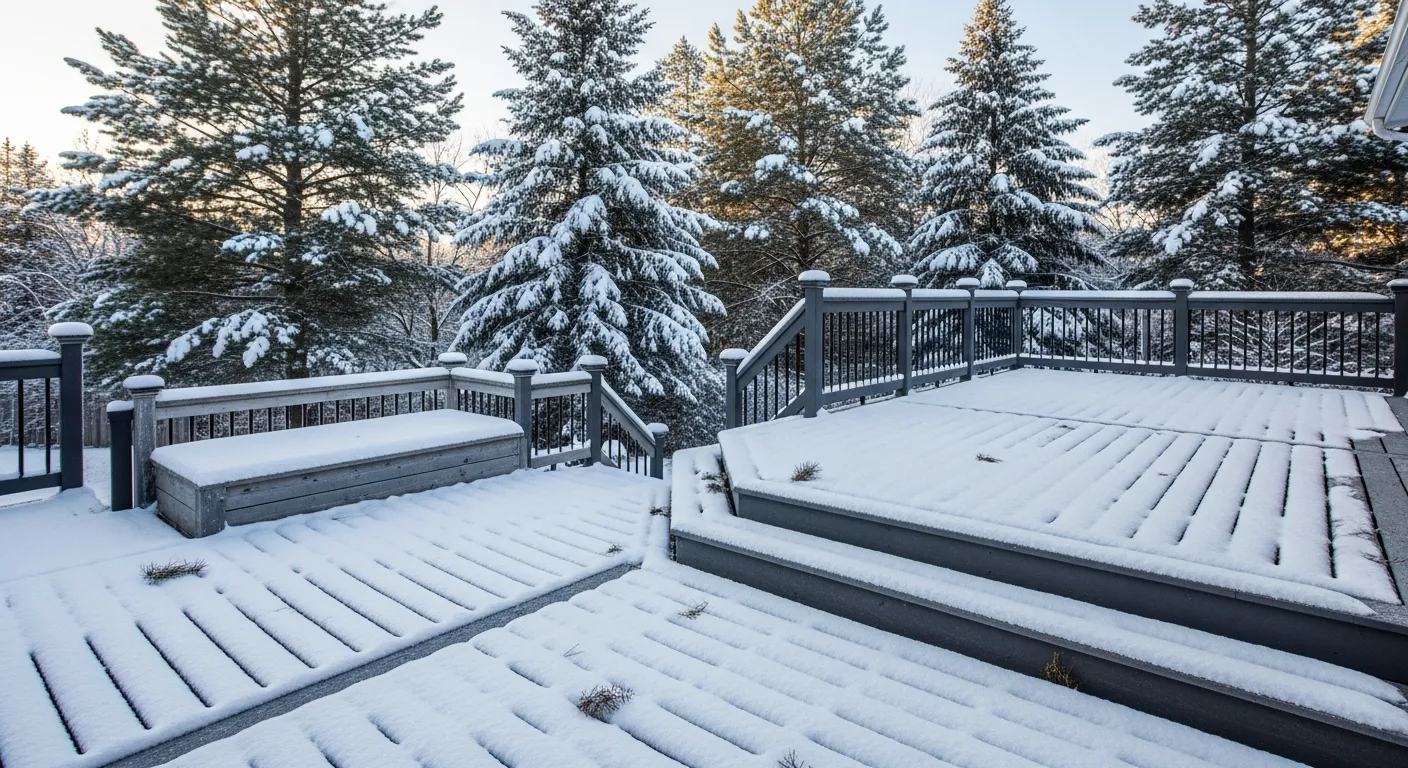
Minnesota winters often drop well below freezing. When snow and ice melt during the day and refreeze at night, moisture can seep into small cracks in decking boards. As that water freezes, it expands. Over time, this repeated freezing and thawing can cause cracking, splitting, and warping, especially in lower quality wood materials.
Moisture and Humidity
Spring and summer bring rain and humidity. Trapped moisture can lead to mold, mildew, and rot, particularly in traditional wood decks. If a deck does not have proper drainage and airflow, the structure underneath can weaken over time.
Hot Summer Sun
Minnesota summers can be surprisingly hot. Strong UV rays can fade colors and dry out wood. Some decking materials can also get very warm under direct sunlight, making comfort an important factor when choosing materials and colors.
Because of these weather extremes, homeowners must carefully evaluate the Best deck materials for Minnesota climate instead of simply choosing the least expensive option.
Best Deck Materials for Minnesota’s Climate
Not all decking materials perform the same in cold and wet environments. Let’s look at the most common options and how they hold up in Minnesota.
Composite Decking
Composite decking is one of the most popular choices for Minnesota homeowners. Made from a blend of recycled wood fibers and plastic, composite boards are designed to resist moisture, rot, and insect damage.
Benefits of Composite Decking:
- Low maintenance (no staining or sealing required)
- Resistant to warping and cracking
- Strong protection against moisture and rot
- Long-lasting color with UV protection
- Available in slip-resistant textures
High-quality brands like TimberTech® and AZEK® are especially known for durability and advanced technology. For homeowners who want a deck that looks great without constant upkeep, composite is often considered one of the best long-term investments.
Consideration: Composite typically has a higher upfront cost than wood. However, many homeowners find that reduced maintenance and longer lifespan make it worth it.
Why Cedar Wood?
Cedar is naturally resistant to insects and has a beautiful appearance. At Dupont Decks, cedar is the primary natural wood decking option we install because it performs well in Minnesota’s climate while maintaining a classic look.
Benefits:
- Natural beauty
- Strong resistance to insects
- Rich color and grain patterns
Considerations:
- Still vulnerable to moisture damage over time
- Requires regular maintenance
- Can become slick during icy months
Natural wood can be a great option for those who love its classic look, but it demands commitment to upkeep.
PVC Decking
PVC decking is made entirely of synthetic materials. It offers excellent moisture resistance, making it a strong choice in snowy climates.
Benefits:
- Highly resistant to water
- Lightweight and durable
- Minimal maintenance
Considerations:
- Premium pricing
- Slightly less natural look compared to wood
For homes exposed to heavy snow buildup, PVC can provide strong protection against moisture damage.
Strong Deck Framing Built for Minnesota Weather
While decking boards often get the most attention, the structure underneath your deck is just as important. A strong frame is what supports the entire deck and ensures it stays stable through Minnesota’s tough weather conditions.
At Dupont Decks, deck frames are built using #1 grade pressure-treated lumber, which provides the strength and durability needed to handle heavy snow loads, moisture, and seasonal temperature changes. Higher-grade lumber offers better consistency, fewer knots, and improved structural performance compared to lower-grade materials.
Using quality framing lumber also helps reduce long-term issues such as twisting, warping, or shifting. When combined with proper installation techniques and footings placed below Minnesota’s frost line, this type of framing creates a solid foundation that supports your deck for many years.
Must-Have Design Features for Minnesota Decks
Choosing the right materials is only part of the equation. Smart design features can improve safety, comfort, and durability.
Slip-Resistant Surfaces
Icy mornings are common in Minnesota. Textured composite boards and slip-resistant coatings can reduce the risk of slipping during colder months.
Proper Drainage and Ventilation
Standing water should never sit on your deck surface. Proper spacing between boards, along with good airflow underneath, helps prevent trapped moisture and structural damage.
Hidden Fasteners
Hidden fastening systems not only create a cleaner look but also reduce exposed screw heads where water can collect and cause rust or splitting.
Covered Areas and Shade Structures
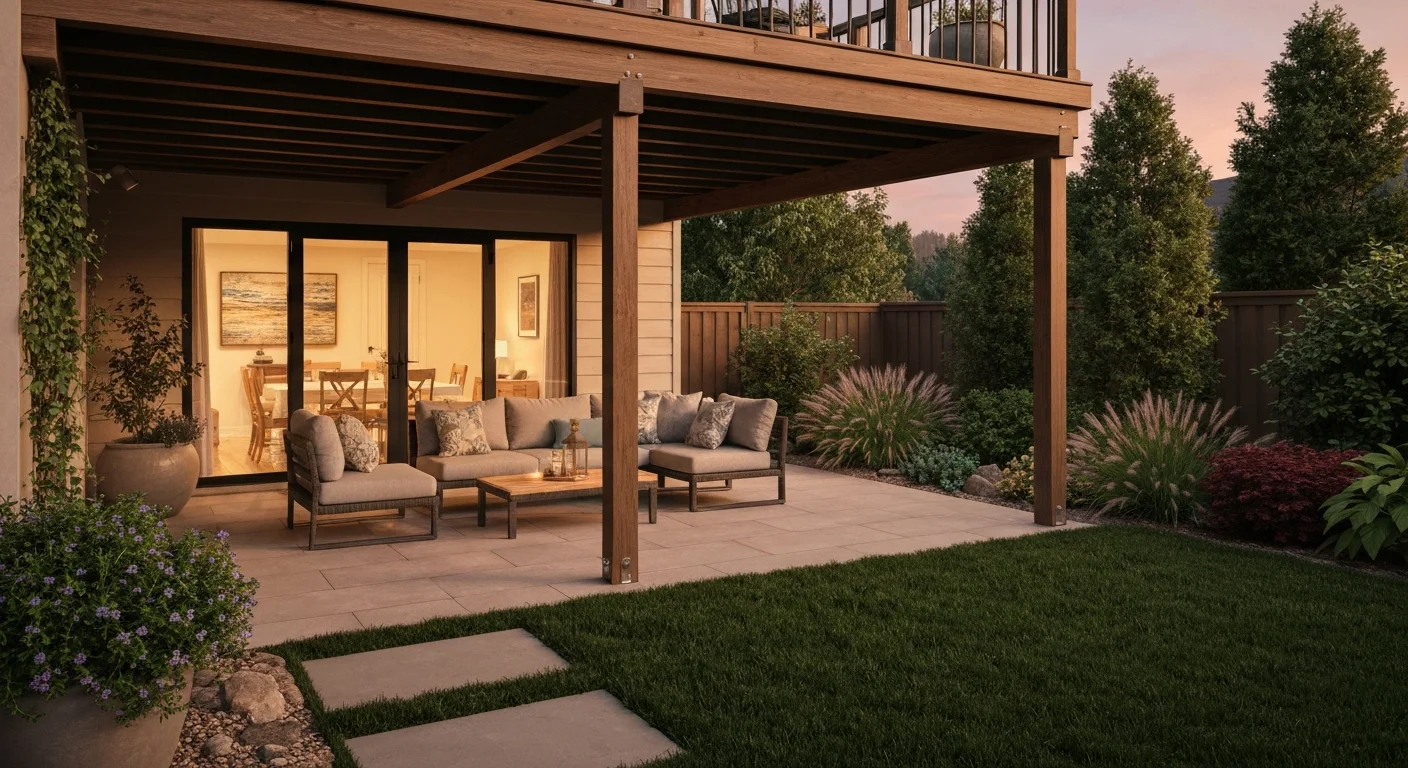
Adding a pergola or covered section can protect part of your deck from snow and heavy rain. Shade structures also make the space more comfortable during hot summer days.
Smart Color Choices
Darker boards may absorb more heat in summer, while lighter shades can stay cooler underfoot. Many homeowners choose mid-tone colors that balance comfort and appearance.
Maintenance Tips for Minnesota Decks
Even the best deck materials for Minnesota’s climate benefit from regular maintenance.
- Remove snow with a plastic shovel (avoid metal edges that can scratch surfaces).
- Clean debris and leaves to prevent moisture buildup.
- Inspect railings and framing each spring.
- Wash composite decking with mild soap and water.
- Reseal wood decks as recommended by the manufacturer.
Routine maintenance extends the life of your deck and keeps it looking its best.
Why Professional Design Matters
Minnesota building codes require deck footings to extend below the frost line to prevent shifting during winter. Professional deck builders understand these requirements and ensure every project meets or exceeds state codes.
Working with an experienced team also helps you:
- Choose the right materials for your home’s location and sun exposure
- Design for safe weight loads during snow season
- Plan features like hot tubs, grill bump-outs, or multi-level layouts
A well designed deck is safer, stronger, and built to last.
Conclusion
Designing a deck for Minnesota means thinking beyond looks. You need materials and features that can handle freeze-thaw cycles, moisture, heat, and ice without wearing down too soon. Whether you choose composite decking for low maintenance, natural wood for its classic beauty, or upgraded framing for added strength, every decision plays a role in how long your deck will last and how safe it will be for your family.
If you’re ready to build a deck that’s made for Minnesota living, the team at Dupont Decks is here to help. With over 20 years of experience serving the Twin Cities Metro and surrounding communities, we know how to design decks that stand up to our climate. Schedule a Deck Design Consultation to start planning a deck built for Minnesota’s climate.