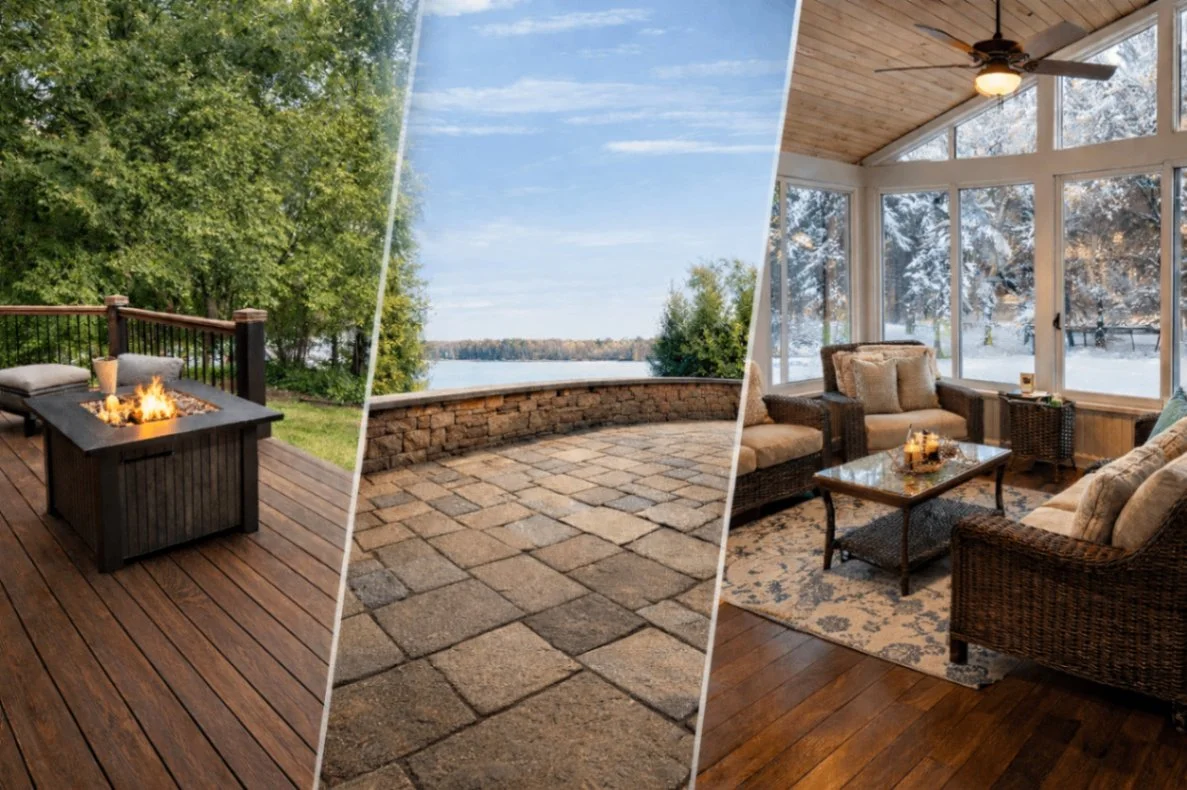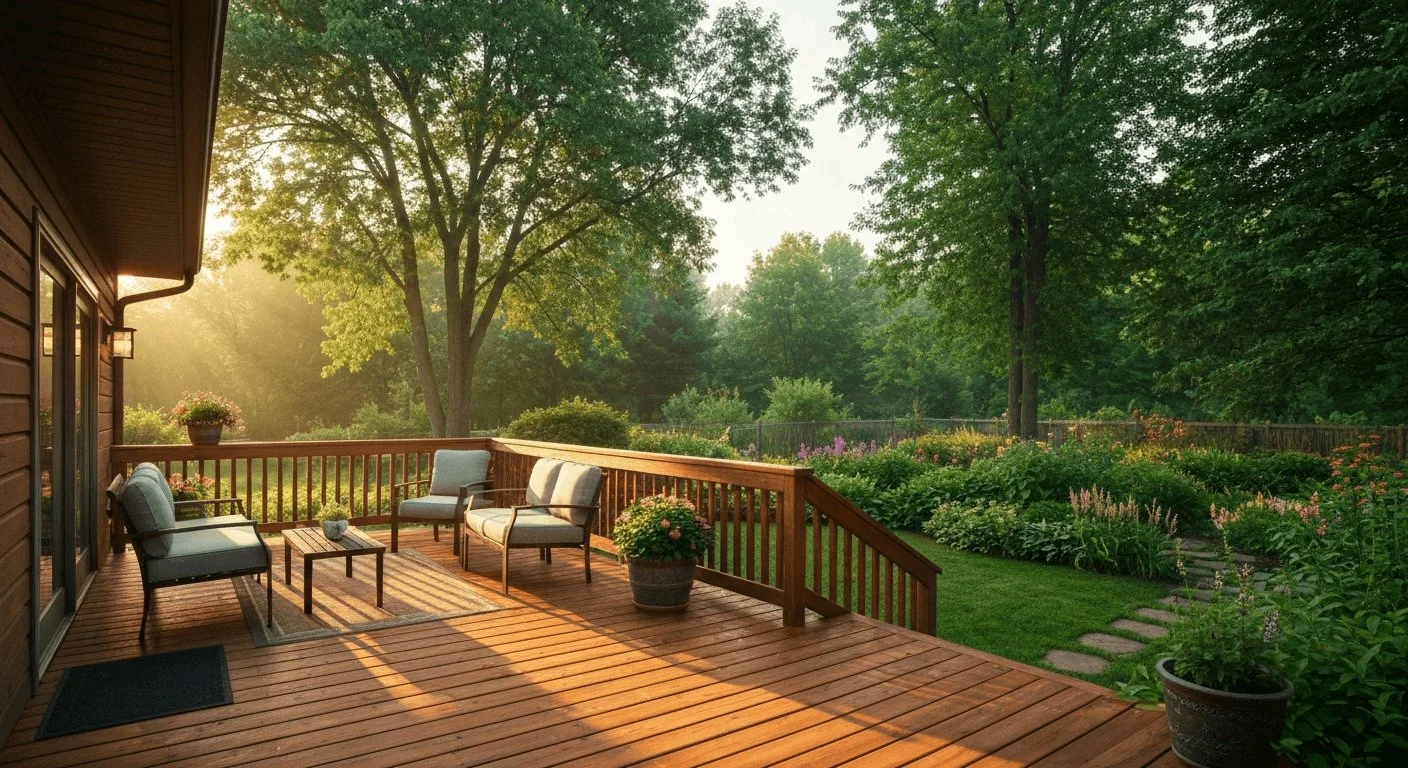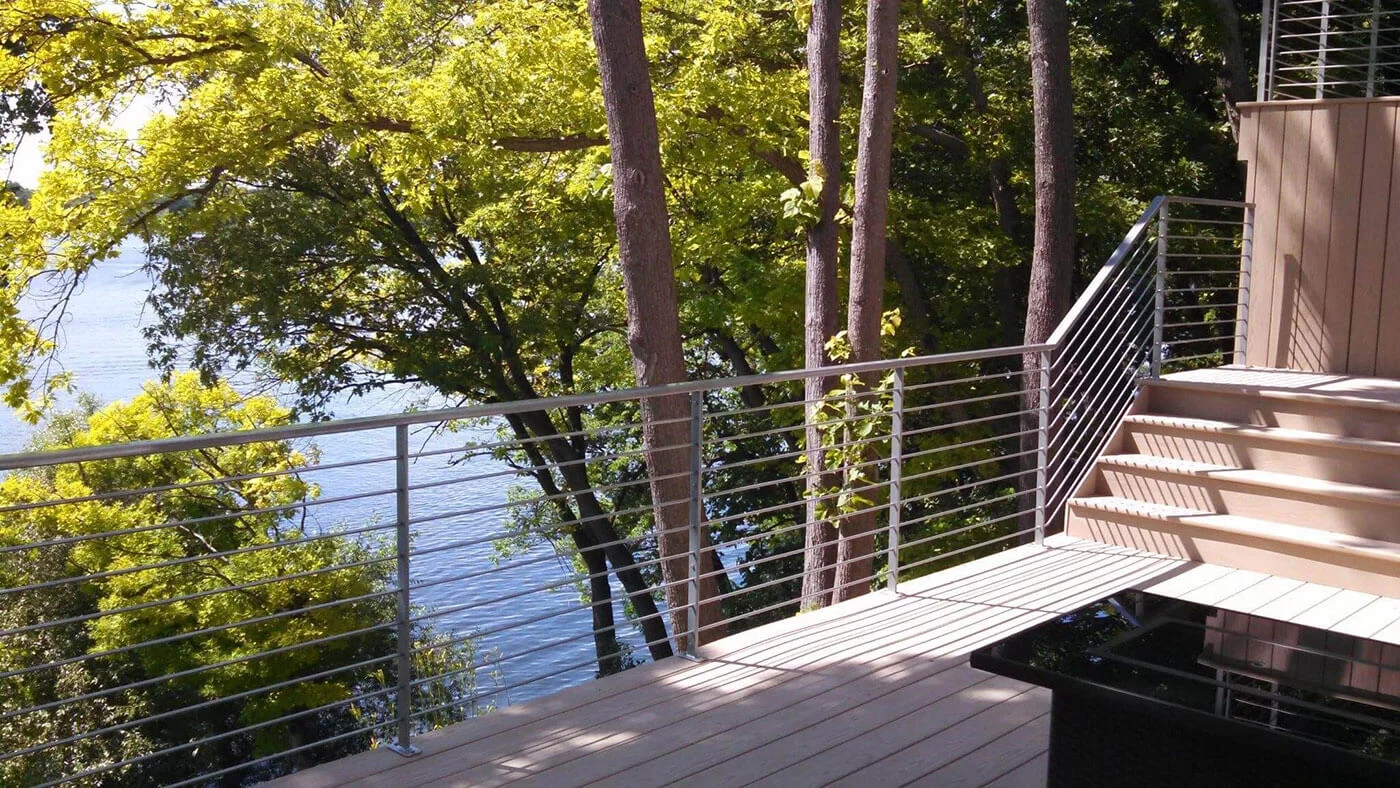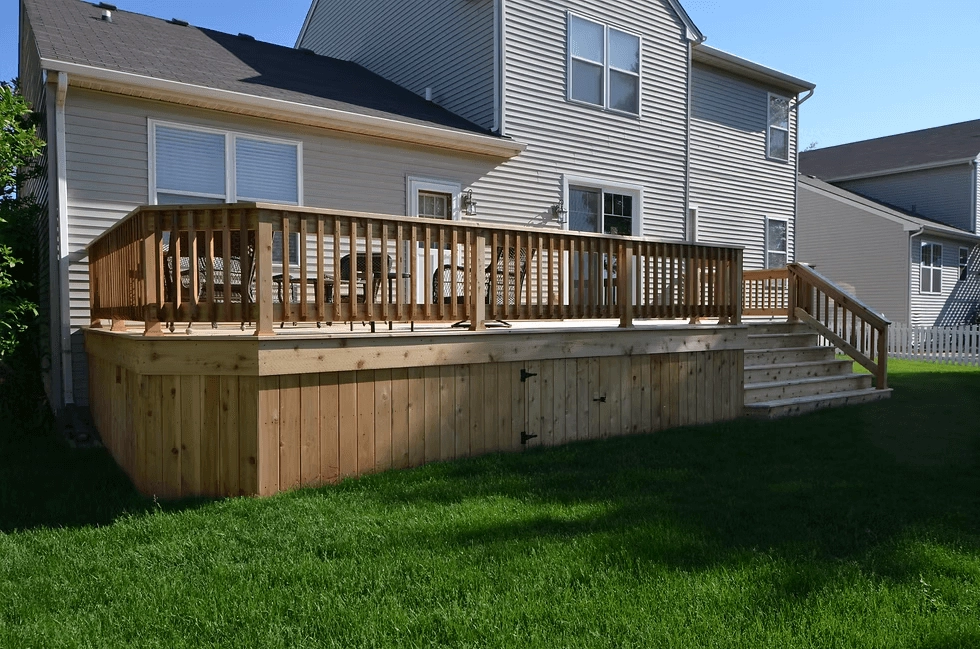
If you’ve ever looked at your raised deck and thought it looked a little unfinished underneath, you’re not alone. That open space between your deck and the ground isn’t just empty, it’s an opportunity to be creative. Exploring smart and stylish deck skirting ideas can help you hide what’s underneath, give your outdoor space a polished look, and even add storage or keep critters out.
When you’re ready to upgrade your deck, Dupont Decks is here to help. Contact us today for a free quote and let’s bring your outdoor vision to life!
Understanding Deck Skirting: Purpose and Advantages
At its core, deck skirting is a protective and decorative barrier installed around the base of an elevated deck. Its primary functional purpose is to hide the substructure, including posts and joists, giving your deck area a clean, finished appearance. This enclosure prevents animals from making a home underneath and can reduce the risk of mold or moisture damaging your deck’s foundation.
Beyond protection, skirting unifies the overall look of your outdoor space. Whether you have a traditional wood deck or a modern composite deck, the right skirting adds a touch of polish. With so many creative and attractive options available, you can easily find a style that elevates your home’s exterior and reflects your personal taste.
Improving Outdoor Style and Curb Appeal
The visual impact of deck skirting is one of its most significant benefits. An exposed under-deck area can look messy and unfinished, detracting from your home’s overall curb appeal. By adding skirting, you create a seamless and intentional look that integrates your deck with the rest of your home and landscape. This simple addition can make your entire outdoor space feel more cohesive and well-designed.
Whether you prefer a rustic charm or a sleek modern look, there is a skirting material to match your aesthetic preferences. For example, horizontal slats can provide a contemporary feel, while stone veneer offers a timeless, high-end appearance. The right choice can transform your deck from a simple platform into a true extension of your home’s architectural style.
Ultimately, deck skirting is about finishing the job. It’s the final detail that polishes your outdoor project, boosting its aesthetic appeal and making your yard a more inviting place. Have you considered how different materials could complement your home’s exterior?
Enhancing Privacy and Protection Beneath Your Deck
Deck skirting does more than just look good; it adds a valuable layer of privacy to your outdoor living space. If your yard is visible to neighbors, solid skirting can create a more secluded and intimate atmosphere, both on the deck and in the area below. This is especially useful if you plan to use the space under your deck as a patio or lounge area.
The enclosure also serves a protective function. It keeps out pests and prevents leaves and debris from accumulating under the deck, which can lead to moisture problems and rot. By shielding the deck’s underside from the elements, you help preserve the structural integrity of your deck for years to come.
Many homeowners also use this enclosed area as a hidden storage space. With proper ventilation to prevent moisture buildup, you can safely store gardening tools, outdoor furniture, and other equipment out of sight. This clever design adds significant utility without sacrificing style.
Choosing the Right Materials for Deck Skirting
When it comes to deck skirting, you have a wide variety of material options to consider. Your choice will impact the look, durability, and maintenance requirements of your project. Traditional choices like wood offer a natural aesthetic, while modern composite materials provide a low-maintenance alternative that resists weathering and insects.
Factors like your budget, climate, and desired style will all play a role in selecting the right deck material. For instance, composite skirting is a durable solution that keeps your deck looking fresh year-round with minimal upkeep. Exploring these options will help you find a material that not only looks great but also performs well over time, whether you’re looking for an inexpensive fix or a premium finish.
Comparing Wood, Composite, and Metal Options
Choosing between wood, composite, and metal for your deck skirting depends on your priorities for aesthetics, maintenance, and budget. Natural wood is a classic choice that offers a warm, traditional look but requires regular staining or painting to prevent rot and insect damage. It is often a budget-friendly starting point.
Composite materials, made from a blend of wood fibers and plastic, offer the look of wood without the demanding upkeep. A composite deck and matching skirting are resistant to fading, staining, and moisture, making them a durable, long-lasting investment. Metal options, such as decorative metal slats or corrugated panels, provide an industrial or modern flair. They are extremely durable and weather-resistant, offering a unique style that stands out. While potentially more expensive, metal provides a virtually maintenance-free solution.
| Material | Key Benefits | Considerations |
| Natural Wood | Affordable, classic look, easy to paint or stain | Requires regular maintenance to prevent rot and pests |
| Composite Materials | Low-maintenance, resists fading and insects, durable | Higher upfront cost than wood |
| Metal | Extremely durable, unique modern/industrial look, weather-resistant | Can be more expensive, style may not suit all homes |
Classic Lattice Deck Skirting Designs
Lattice is arguably the most recognizable and traditional skirting option for decks. Its crisscross pattern is a timeless choice that offers a blend of style, function, and affordability. For decades, homeowners have used lattice panels to hide the underside of their decks while ensuring crucial airflow to the substructure.
Available in materials like wood and low-maintenance vinyl, lattice skirting is versatile enough to complement various home styles. Whether you opt for a classic square pattern or explore more decorative designs, this classic option remains a popular and practical choice for deck skirting. Let’s look at some of the ways you can incorporate this style.
Traditional Square Lattice Patterns
The traditional square or diamond lattice pattern is a classic option for a reason. Its simple, clean design offers a familiar and charming look that suits many homes, especially those with traditional architecture. These lattice panels are highly effective at masking the area beneath a deck while still allowing for plenty of air circulation, which is vital for preventing moisture-related issues.
This style of lattice skirting is often the most cost-effective solution available. These panels are lightweight and professionally installed by Dupont Decks to ensure a long-lasting, polished finish. You can leave wood lattice with a natural finish, stain it to match your deck, or paint it to coordinate with your home’s trim.
For a more polished look, consider framing the lattice panels with trim boards. This small addition gives the traditional skirting a more finished and custom appearance, elevating the simple pattern into a more intentional design element.
Modern Decorative Lattice Alternatives
While traditional lattice is popular, you can give it a contemporary twist to better suit a modern home. One of the easiest ways to update the look is with color. For instance, black vinyl lattice creates a bold, sophisticated modern appearance that contrasts beautifully with lighter colored homes or decks. This simple color change transforms the classic pattern into a chic and stylish feature.
Beyond color, you can find decorative panels that feature unique patterns different from the standard crisscross design. These alternatives might have geometric shapes, horizontal lines, or other artistic cutouts that provide a more contemporary option. These panels offer the same benefits of ventilation but with a much more updated aesthetic.
Dupont Decks can design combinations of lattice and solid panels for a custom, polished look. Instead of a standard diagonal pattern, the lattice can be oriented horizontally for a fresh look. Vinyl lattice sections can also be paired with solid panels to create a unique design that feels more custom and less like a standard, off-the-shelf solution.
Innovative and Contemporary Deck Skirting Ideas
If traditional lattice isn’t your style, there are plenty of innovative and contemporary deck skirting ideas to explore. Modern deck design often emphasizes clean lines, sleek materials, and a seamless transition between indoor and outdoor living. The right skirting design can play a crucial role in achieving this sophisticated modern look.
From horizontal composite deck skirting that matches your deck boards to artistic metal panels, these alternatives move beyond the conventional. They offer a chance to make a statement and perfectly coordinate your skirting with your outdoor furniture and overall landscape design. Let’s explore a few ideas that bring a contemporary edge to your deck.
Horizontal and Vertical Slats for a Sleek Look
For a crisp, contemporary aesthetic, horizontal planks or vertical slats are an excellent choice. This skirting style creates strong, clean lines that complement modern and minimalist architecture. By running the boards parallel or perpendicular to the deck surface, you can create a sense of structure and order that feels intentional and high-end.
This look can be achieved with various materials, including natural wood, PVC, or composite boards. Using composite material that matches your decking is a great way to create a cohesive and seamless appearance. Slats are installed with proper spacing to ensure ventilation and a clean finish.
The simplicity of this design is its greatest strength. It provides a sophisticated backdrop that does not compete with other elements of your landscape or outdoor decor. Whether you choose wide or narrow boards, the linear pattern delivers a timeless modern look.
Stone, Brick, and Faux Finishes for Premium Aesthetic
For a truly high-end and timeless look, consider using stone, brick, or faux finishes for your deck skirting. These materials provide a sense of permanence and elegance, making your deck feel like a fully integrated part of your home’s foundation. The appearance of solid stone or classic brick can elevate the premium aesthetic of your entire property.
While real masonry can be heavy and expensive, modern faux finishes offer a lightweight and more affordable alternative. These innovative products deliver the same beautiful look without the complex installation. Let’s examine how you can use these materials to create a stunning finish.
Using Real or Faux Stone Panels
Stone skirting brings a natural, rustic elegance to any deck. The texture and color variations in real stone create a powerful visual anchor, making your deck look substantial and well-grounded. This skirting option is incredibly durable and can withstand harsh weather conditions, making it a long-term investment in your home’s aesthetic appeal.
However, real stone can be costly and requires a professional for installation due to its weight. As an alternative, faux stone panels, often made from high-density polyurethane, offer a fantastic solution. Faux stone panels replicate the look and feel of real stone at a lower weight and cost, and they are installed professionally by Dupont Decks for the best results and long-term durability.
This skirting option works beautifully with a variety of home styles, from rustic cabins to modern dwellings. Whether you choose real or faux finishes, a stone look provides a sophisticated and impressive finish that is sure to turn heads.
Brick and Composite Masonry Styles
Brick skirting offers a warm, classic, and timeless appeal. It’s a perfect choice if your home already has brick siding, as it creates a cohesive and seamless look. Even if your home is made of other materials, brick can provide a beautiful, striking contrast against wood and greenery, adding character and a sense of history to your deck area.
Like stone, real brick can be a labor-intensive and expensive option. Fortunately, composite masonry panels that mimic brick are widely available. These panels are much lighter than real bricks and are installed over properly framed backing, which dramatically reduces the cost and complexity of the project while still delivering a professional finish. They provide the same warm, modern appearance without needing a professional mason.
This style helps to visually ground the deck’s structure, making it feel more like a permanent and integral part of your home. It’s a bold choice that makes a statement and adds significant curb appeal.
Functional Skirting Solutions for Under-Deck Storage
Why let the space under your deck go to waste? With a smart skirting design, you can transform the deck’s underside into a highly functional under-deck storage area. This is a perfect spot to keep bulky items like lawnmowers, garden tools, and seasonal outdoor furniture protected from the elements and out of sight.
The key is to design your skirting with easy access in mind. By integrating doors or removable panels, Dupont Decks can create a solution that is both beautiful and practical. Let’s look at how you can turn this often-overlooked space into a valuable storage asset.
Integrating Access Doors and Hidden Storage Spaces
The secret to creating effective under-deck storage is seamless access. By integrating access doors into your skirting, you can easily get to your stored items without disrupting the look of your deck. These doors can be designed to blend in perfectly with the rest of the skirting, making your hidden storage completely discreet.
For a horizontal slat design, a section of the slats can be hinged to swing open like a gate. With a solid panel or lattice design, Dupont Decks can build a framed door using the same material, complete with a latch to keep it secure. This approach maintains the aesthetic integrity of the deck’s design while adding a clear functional purpose.
This hidden storage space is ideal for items you don’t need every day but want to keep close by. It’s a practical way to declutter your garage or shed and make the most of every square foot of your property.
Designing Multi-Purpose Skirting for Sheds and Equipment
If you have a taller elevated deck, Dupont Decks can design enclosed under-deck storage solutions with proper framing, ventilation, and secure access. This approach creates a secure, weather-protected space for larger equipment like bicycles, lawnmowers, or even a wheelbarrow and makes incredibly efficient use of the space under your deck. For these enclosed spaces, Dupont Decks typically uses solid, durable skirting materials like composite boards, wood planks, or metal panels, and can incorporate a full-size, lockable door for easy access and security.
This design transforms the deck’s underside from an empty void into a highly practical utility area. It’s a brilliant way to maximize your storage space without building a separate structure in your yard, keeping your landscape open and uncluttered.
Matching Deck Skirting to Your Home’s Exterior
To ensure your deck looks like a natural extension of your house, it’s important to choose a deck skirting style that complements your home’s exterior. The right design will create a seamless transition from your house to your deck, enhancing the overall architectural fit. Consider the existing colors, textures, and style of your home when making your selection.
By carefully coordinating your deck design with your home, you can create a harmonious and polished look. There are many color options and materials available to help you achieve this. Let’s explore how to pick a deck skirting idea that looks like it was always meant to be there.
Coordinating Colors and Textures with Siding
One of the most effective ways to create a cohesive look is by coordinating the colors and textures of your deck skirting with your home’s siding. This doesn’t necessarily mean you have to find an exact match. Sometimes, a complementary color can create a more interesting and visually appealing result.
Look at your home’s color palette. In addition to the main siding color, consider the colors of your trim, shutters, and front door. Choosing a skirting color that matches one of these accent colors is a great way to tie everything together. For example, if your home has white trim, a white lattice or slat skirting will look intentional and polished.
Texture also plays a key role. Here are some tips for coordination:
- If your home has smooth siding, a textured skirting like stone veneer can add visual interest.
- For a home with brick or stone, a simple, smooth skirting like composite boards can provide a nice contrast.
- If you have wood siding, matching the deck skirting material can create a unified, rustic look.
- Always get color options or samples to see how they look next to your siding in different lighting conditions.
Architectural Styles That Complement Different Houses
The architectural style of your house can guide you toward the ideal choice for your deck skirting. A well-chosen design will enhance your home’s character, while a mismatched one can look out of place. For a traditional home, like a Colonial or Cape Cod, classic options often work best. Traditional skirting like white lattice or vertical wood planks complements the timeless exterior of these houses.
For modern or contemporary homes, which emphasize clean lines and simple forms, horizontal slats made of composite or wood are an excellent choice. Metal panels or faux stone can also create a sleek, sophisticated look that aligns with a modern aesthetic. If you have a rustic or craftsman-style home, natural materials like real wood planks or stone veneer will feel right at home.
The goal is to select a deck skirting style that feels like a natural part of the overall design. By considering your home’s architectural style, you can confidently choose a design that elevates your exterior and adds to its charm.
Maintenance and Care Tips for Long-Lasting Deck Skirting
Once your deck skirting has been professionally installed, you’ll want to keep it looking great for years to come. Proper maintenance and care are essential for a long-lasting and durable solution. The level of upkeep required will depend on the material you chose, but a few general tips apply to all types of deck skirting.
Dupont Decks recommends periodic professional assessments of your skirting system and the surrounding area to ensure long-term performance. By staying on top of maintenance, you can ensure your skirting continues to protect your deck and enhance your home’s curb appeal. Let’s review some key recommendations for cleaning, repairs, and prevention.
Cleaning and Repair Recommendations
Regular cleaning is the easiest way to maintain your deck skirting. For most materials, including composite, vinyl, and metal, a simple wash with soap and water is all that’s needed to remove dirt and grime. For wood skirting, a gentle wash combined with re-staining every two years helps protect against moisture and UV damage. During a professional assessment, the Dupont Decks team will look for loose boards, surface damage, or signs of rot on wood skirting and recommend any needed repairs. For low-maintenance materials like composite or vinyl, the focus is on confirming that fasteners and panels remain secure so the skirting continues to perform as intended.
How to Prevent Moisture Damage and Pest Issues
The two biggest threats to the longevity of your deck and skirting are moisture and pests. Preventing moisture buildup is crucial, which is why proper ventilation is so important. Skirting designs with gaps, like lattice or spaced slats, are excellent for promoting airflow under the deck. If you choose a solid skirting design, Dupont Decks can incorporate vents to help the deck’s underside breathe.
Pests can be another major issue, especially with wood skirting. To deter animals from burrowing, Dupont Decks can install a buried layer of hardware cloth a few inches into the ground along the inside of the skirting. This metal mesh creates a barrier that critters can’t dig through.
Here are a few key preventative measures:
- Ensure there is a gap between the bottom of the skirting and the ground to prevent moisture wicking.
- Direct sprinkler heads away from the deck’s underside to keep the area dry.
- Use materials rated for outdoor use that are resistant to rot and insects, like composite or PVC.
- Seal any gaps or holes promptly to prevent pests from finding an entry point.
Conclusion
Deck skirting is more than just a finishing touch, it’s a smart way to boost your deck’s style, privacy, and protection. From classic lattice and sleek composite panels to natural stone or modern metal designs, the right skirting can transform your outdoor space into a polished, cohesive extension of your home.
Ready to upgrade your backyard? With over 20 years of experience serving Minneapolis, St. Paul, and surrounding communities, Dupont Decks delivers craftsmanship you can trust. Contact us today for a 100% free, no-obligation quote and let’s build your perfect outdoor oasis!