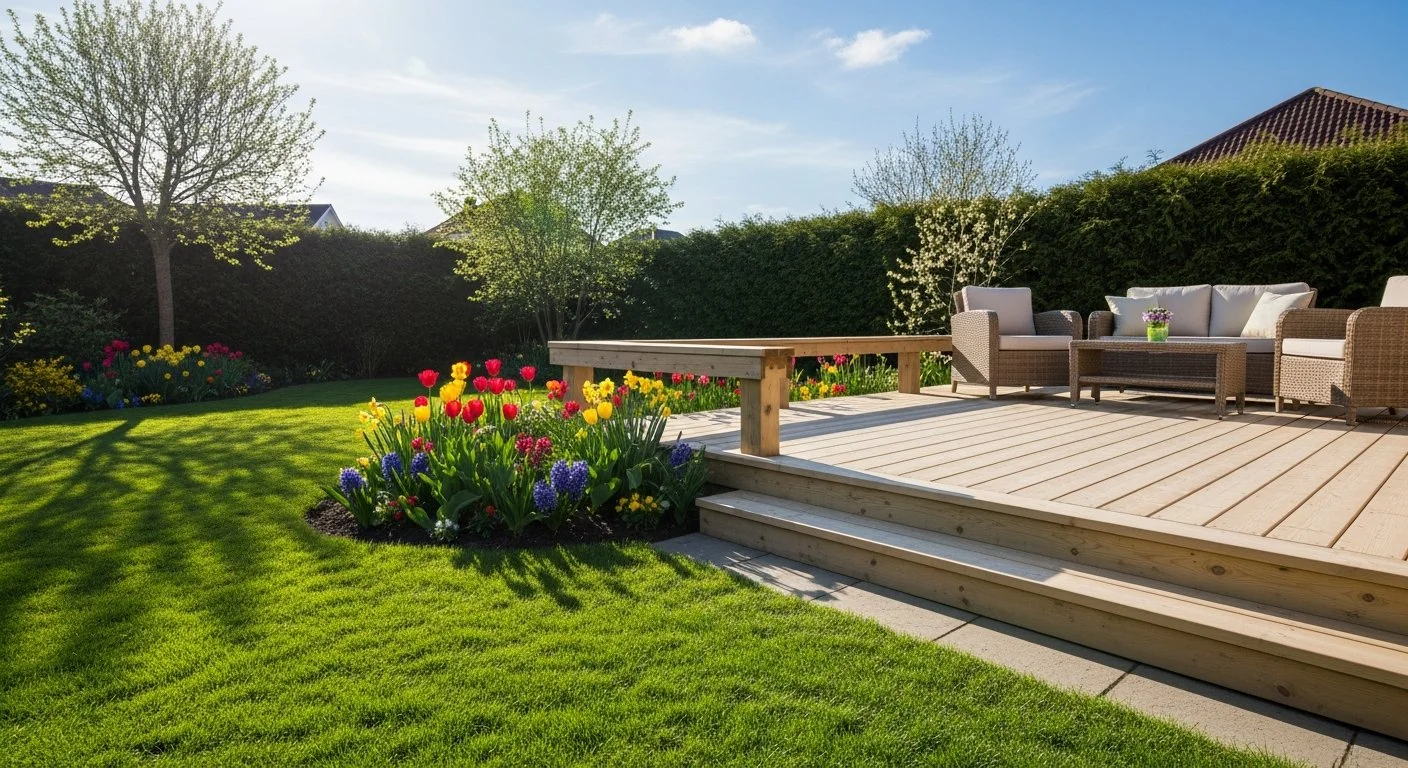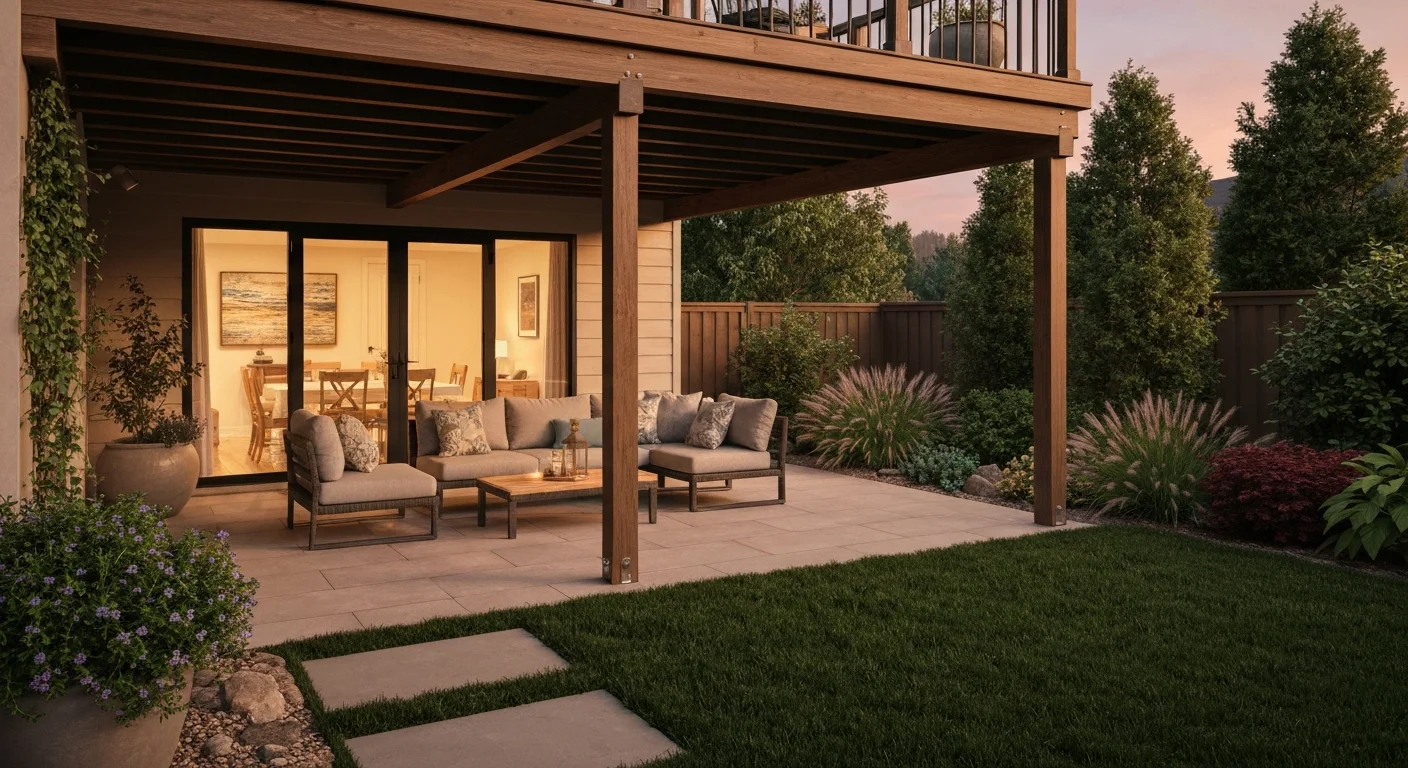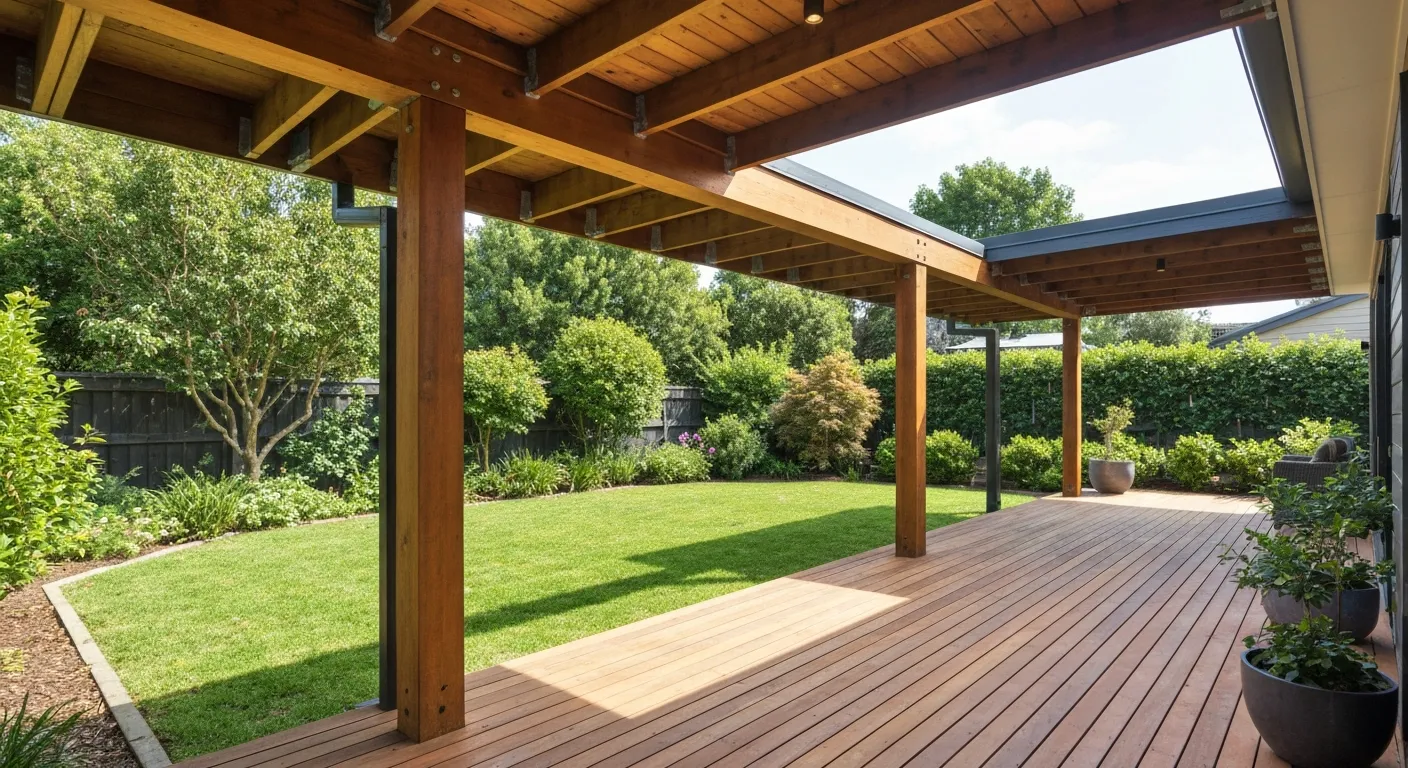
A deck should be a place where memories are made, where family barbecues, quiet mornings, and summer evenings are spent outdoors. But many homeowners across the Twin Cities Metro discover too late that their deck wasn’t built to last. Wobbly railings, sagging boards, and structural issues often appear years earlier than expected not because of the materials on top, but because of what’s hidden underneath.
That’s where quality deck construction methods matter most. The way a deck is framed, supported, and secured determines whether it holds up for decades or becomes a constant repair project. In this guide, we’ll break down five proven construction techniques professional builders use to create strong, long-lasting decks, so you can understand what real craftsmanship looks like and why investing in quality from the start always pays off.
What Defines Quality Deck Construction Methods?
When most homeowners think about a deck, they focus on what they can see: the color of the boards, the railing style, or whether the material is wood or composite. While these details matter, they don’t determine how long a deck will last. The real strength of a deck comes from its structure including properly engineered footings, support posts, beams, framing, and fasteners that support everything above. Without a solid foundation below grade, even the best-looking deck won’t stand the test of time.
Quality deck construction methods focus on strength, balance, and proper load support. This means building a deck that can safely handle heavy foot traffic, furniture, grills, snow loads, and Minnesota’s freeze-thaw cycles without shifting or weakening over time. Cheap decks often skip or downsize critical structural components to save money, but those shortcuts almost always lead to repairs, safety concerns, and early replacement.
A well-built deck may cost more upfront, but it delivers better performance, longer lifespan, and far fewer problems down the road. That’s why experienced builders focus on construction techniques first, and materials second.
The Structural Standards We Build Every Deck On
At Dupont Decks, these construction principles aren’t upgrades or add-ons, they are the foundation of how we build every deck. We believe structural integrity comes first, which is why our framing methods, support systems, and hardware standards are consistent across every project we complete in the Twin Cities Metro.
These five techniques represent the core pillars of our construction process. By prioritizing stronger support posts, reinforced beams, precision framing, and corrosion-resistant hardware, we ensure every deck we build is designed for long-term durability not short-term savings.
Because we stand behind our craftsmanship, we confidently back the structural frames we build with a lifetime warranty. When a deck is constructed properly from the ground up, homeowners can enjoy their outdoor space with complete peace of mind.
Technique 1 – Oversized 6×6 Support Posts for Superior Strength
Support posts are the backbone of any deck. They carry the weight of the entire structure and transfer it safely to the ground. Unfortunately, many budget builders still use smaller 4×4 posts, especially on raised decks, even though they are more likely to twist, crack, or weaken over time.
Using 6×6 support posts provides a major upgrade in strength and stability. These larger posts are better equipped to handle heavier loads and resist movement caused by soil shifting, moisture, and temperature changes. They also help reduce deck sway, which is a common complaint with poorly built elevated decks.
For homeowners, this means a deck that feels solid underfoot and remains safe for years to come. Oversized posts may not be flashy, but they are one of the most important quality deck construction methods used by professional builders who prioritize long-term performance.
Technique 2 – Double Perimeter Beams for Enhanced Structural Support
Perimeter beams run around the outer edge of a deck and play a major role in supporting the frame and joists. Many low-cost decks rely on single perimeter beams, which can lead to sagging edges and uneven boards as the deck ages.
Double perimeter beams add an extra layer of strength by reinforcing the deck’s outer frame. This helps distribute weight more evenly across the structure and prevents stress from building up in one area. Over time, this reduces the risk of drooping edges, loose boards, and structural movement.
This construction technique is especially important for larger decks or decks designed to support heavy features like built-in seating, grills, or hot tubs. It’s a clear sign that a builder is focused on durability, not shortcuts.
Technique 3 – Flush Beam Construction for Long-Term Stability
Flush beam construction is another hallmark of high-quality deck building. With this method, the joists are attached directly to the beam instead of resting on top of it. This creates a tighter, more secure connection between framing components.
The result is better weight distribution and a deck frame that stays square and level over time. Flush beams also allow for cleaner lines and improved design flexibility, especially when building multi-level decks or decks with stairs and custom features.
From a homeowner’s perspective, flush beam construction means fewer squeaks, less movement, and a deck that feels sturdy year after year. It’s a more advanced technique that requires experience and precision, but it pays off in long-term stability.
Technique 4 – Precision Framing & Proper Joist Spacing
Framing is where craftsmanship really shows. Even small measurement errors or inconsistent spacing can lead to major problems down the road. Poor framing often causes decks to feel bouncy, allows boards to warp, and leads to uneven surfaces that become safety hazards.
Precision framing ensures that every joist is placed correctly and securely. Proper joist spacing is especially important for supporting decking boards and preventing sagging or flexing. In Minnesota’s climate, where moisture and temperature changes are common, accurate framing helps the deck adapt without damage.
Professional builders take the time to measure carefully, align everything properly, and secure framing components with the right hardware. This attention to detail is a defining feature of quality deck construction methods and a major reason professionally built decks last longer.
Technique 5 – Quality Fasteners & Hardware That Outlast the Elements
Fasteners may be small, but they play a huge role in a deck’s lifespan. Nails, screws, brackets, and connectors hold the entire structure together. Using low-quality or incorrect hardware can lead to corrosion, loosening, and structural failure—especially in outdoor environments.
High-quality deck construction uses corrosion-resistant fasteners and hardware designed for exterior use. These materials are built to withstand moisture, temperature changes, and long-term exposure without weakening. Proper installation is just as important, as poorly driven fasteners can compromise strength even if the materials themselves are good.
This technique helps ensure the deck remains tight, secure, and safe over time, even with heavy use and changing weather conditions.
Why Quality Deck Construction Methods Matter More Than Ever
Minnesota’s climate is tough on outdoor structures. Frost depth requirements, heavy snow loads, and freeze-thaw cycles can all stress a deck’s framing if it isn’t engineered properly from the start. Snow loads, ice, humidity, and temperature swings can all take a toll on a deck that isn’t built correctly. That’s why quality deck construction methods are more important now than ever.
A well-built deck improves safety, reduces maintenance costs, and adds long-term value to your home. It also gives homeowners peace of mind, knowing their outdoor space was designed to handle real-world conditions, not just look good on day one.
When comparing a deck builder in Minnesota, it’s important to ask how they build, not just what materials they use. The right construction techniques can mean the difference between a deck that lasts decades and one that becomes a problem after just a few years.
See the Difference Quality Craftsmanship Makes
A lifetime-strong deck doesn’t come from cutting corners. It comes from smart design, solid framing, and expert craftsmanship. When builders focus on proper support posts, reinforced beams, precise framing, and durable hardware, the result is a deck that feels safe, stable, and built to last. These details may not always be visible, but they are what separate a deck that simply looks good from one that performs well for decades.
At Dupont Decks, quality craftsmanship is at the core of everything we build. With nearly 20 years of experience serving homeowners throughout the Twin Cities Metro, our family-operated team focuses on structural integrity first and aesthetics second.
If you’re planning a new deck, don’t just compare materials, compare construction methods. View our project portfolio to see how professional framing, support systems, and precision craftsmanship create a deck built to last.